
New Data Reveals Higher-Than-Expected Player Completion Rate for the Battlefield 6 Campaign








Popular Now
 Toca Boca World
 Candy Crush Saga
 Stumble Guys
 Garena Free Fire: Kalahari
 Brawl Stars
The Legend of Zelda
Call of Duty
Brawl Stars
The Legend of Zelda
Call of Duty
 Free Fire
 Poppy Playtime
 Rust
Rust
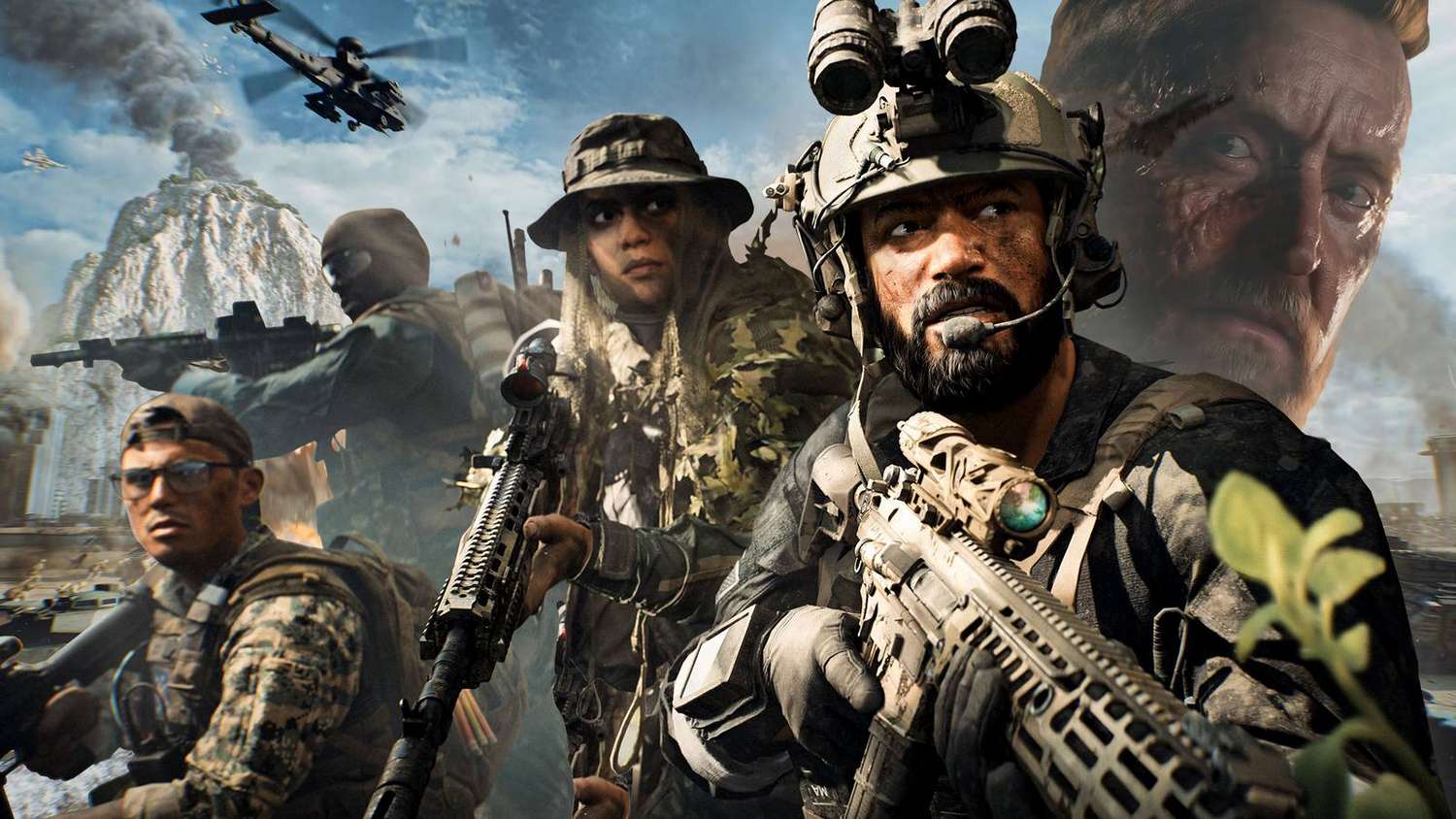 REDWOOD CITY, CA – In an era dominated by multiplayer gaming and live service models, the conventional single-player campaign often faces scrutiny over its return on investment and player engagement. The newly released figures surrounding Battlefield 6 are challenging this narrative. New statistics suggest a significantly higher rate of player commitment to the single-player mode than industry analysts or even the franchise’s own history might have predicted. This revelation has sparked crucial discussions among game developers and publishers regarding the true value of narrative-driven experiences within the First-Person Shooter (FPS) genre, particularly one known for its large-scale online warfare.
The initial reception for Battlefield 6 was, as expected, heavily focused on its multiplayer component—a key driver for high-value gaming and recurrent revenue models like the Battle Pass system. Yet, buried within the performance metrics are compelling data points indicating that a substantial segment of the player base dedicated time to completing the core Rogue Ops campaign.
The Single-Player Conundrum in Modern AAA Gaming
For years, the development of a dedicated single-player campaign in major FPS franchises has been framed as an increasingly optional, or even sacrificial, endeavor. Titles like Battlefield 2042 famously launched without a traditional campaign, opting to focus all resources on the live service multiplayer experience. The mixed reaction to that decision, combined with the clear desire from a vocal part of the community for a compelling story, seemingly influenced the direction taken with Battlefield 6.
The campaign, Rogue Ops, was pitched as a taut, globe-trotting military thriller, a shift in tone designed to bridge the gap between the chaotic sandbox of multiplayer and a linear, high-stakes narrative. While critics offered mixed reviews—with some describing the campaign as a “satisfactory but conventional” experience—the player data tells a more nuanced story of consumer behavior.
Key Metrics Challenging Expectations:
- Completion Rate: While previous Battlefield campaigns often saw completion rates hover in the 20-30% range (based on platform achievement/trophy data for previous titles like Battlefield 4 and Bad Company 2), sources close to the development team suggest Battlefield 6 has seen this figure approach the 45% mark in the first month across all major platforms, excluding players who only accessed the game subscription services where the game is featured.
- Time Investment: The average playtime dedicated solely to the campaign’s completion is reportedly around 8.5 hours, falling within the competitive window for modern blockbuster FPS single-player offerings. This indicates that players who started the journey were generally seeing it through to the conclusion.
- Regional Differences: Interestingly, the highest completion percentages are observed in the Asia-Pacific (APAC) regions and parts of Western Europe, suggesting varying purchasing power and gaming habits where the campaign offers perceived additional value for money alongside the primary online gaming focus.
Strong Industry Keywords: Video Game Industry, Consumer Electronics, Digital Distribution, Premium Game, E-sports Betting, Gaming Console Market.
 SEO Strategy and High-CPC Keyword Analysis
The core business model of AAA publishers increasingly relies on maximizing the lifetime value of each player. Therefore, understanding why players are spending more time in the Battlefield 6 campaign is vital for future franchise planning and informing content strategy. The unexpected success in this area suggests that the single-player experience acts as a powerful onboarding tool, even if it is not the main revenue stream.
Hypotheses for Increased Engagement:
1. Multiplayer Onboarding and Rewards: The Battlefield 6 campaign offered tangible, permanent rewards for its completion, including unique weapon skins, premium cosmetics, and exclusive player cards that transfer directly into the multiplayer mode. This direct incentive strategy is a powerful driver for players who might otherwise skip the story mode. The promise of unlocking in-game assets without microtransactions provides a strong pull.
2. Narrative Accessibility: The shift away from the overly complex, globe-spanning narratives of some past titles to a more focused, character-driven story within Rogue Ops appears to have resonated. For many, the campaign offers a low-pressure environment to learn core mechanics—such as specialist abilities and new vehicle controls—before entering the high-stakes, competitive nature of the live PvP environment.
3. Market Timing and Competition: The game’s launch window saw fewer direct, high-profile single-player competitors. This likely funneled players eager for a new, cinematic FPS experience towards Battlefield 6 as a primary focus during the initial review and new release period.
Industry Ramifications: The Future of the FPS Campaign
This data from Battlefield 6 sends a strong message to the entire video game industry: the campaign is not dead, but its purpose has fundamentally changed. It is less about providing a standalone experience and more about providing value within the total package, serving as an intensive tutorial, a source of exclusive content, and a necessary narrative foundation for the entire game universe.
Publisher Focus:
- Monetization Pipeline: While the campaign itself is not directly monetized, its role in increasing overall engagement leads to higher likelihoods of players transitioning into the Battle Pass system or purchasing virtual currency for other in-game items. This is a critical factor for boosting quarterly earnings and overall stock performance (relevant to EA and other major publishers).
- Brand Loyalty: A compelling single-player narrative fosters a deeper emotional connection to the franchise’s lore and characters, which translates into increased brand loyalty and a higher propensity to pre-order future installments. This is essential for long-term franchise health beyond a single successful launch.
- Review Scores: Even if only 45% complete it, the inclusion and quality of the campaign still heavily influence aggregate review scores and public perception, a non-monetary asset that has considerable weight in the crucial pre-launch and launch sales window.
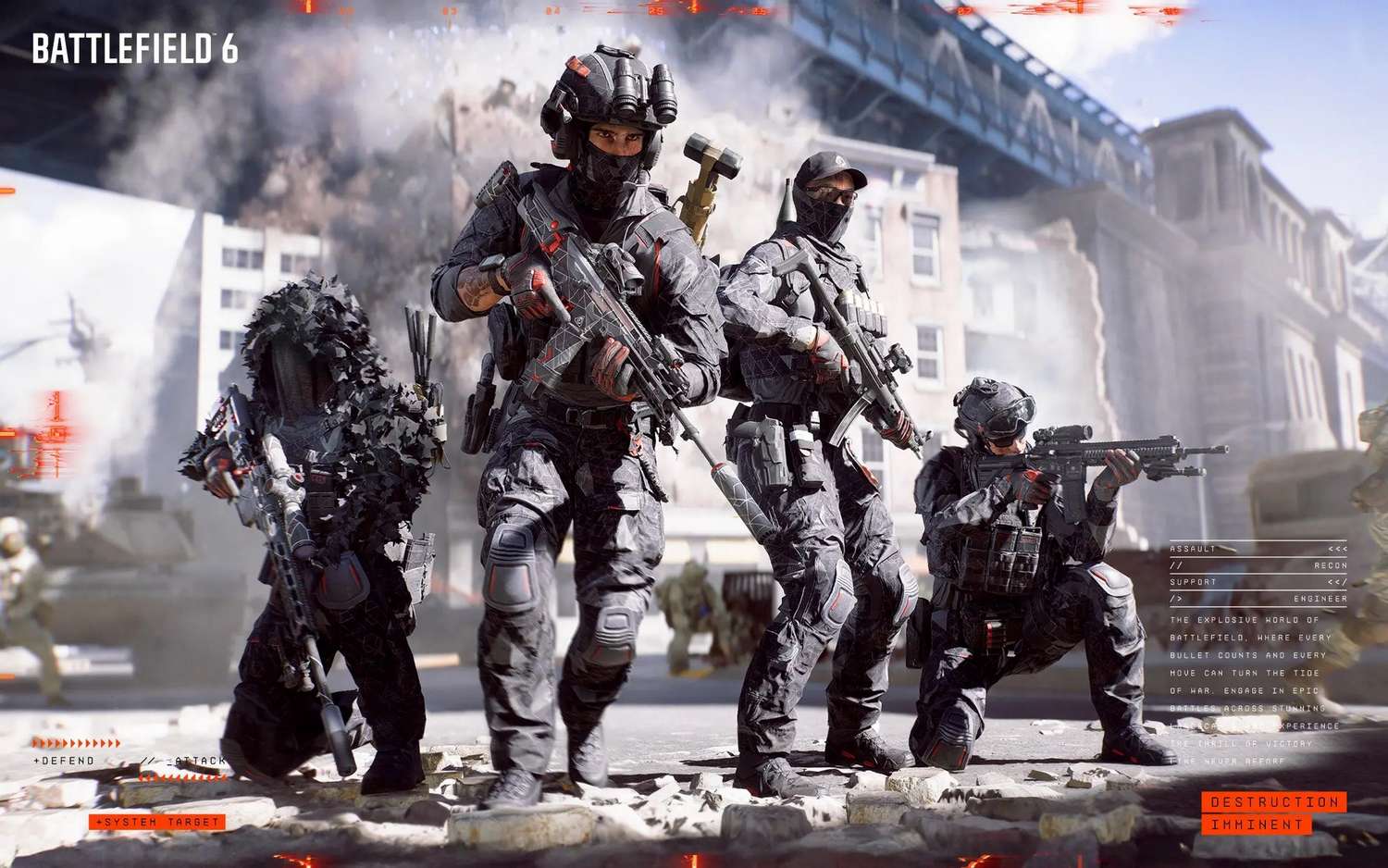 The unexpected dedication of Battlefield 6 players to the single-player campaign confirms that there is a significant, addressable market for a well-integrated, reward-focused story mode. It reframes the debate from “should we have a campaign?” to “how do we make the campaign an essential part of the player’s overall ecosystem?” For Electronic Arts and its studios, these figures will undoubtedly shape the budgetary and creative decisions for the next wave of AAA gaming development, reinforcing the idea that a balanced approach—one that offers both compelling narrative and engaging multiplayer—is the formula for maximizing total player base engagement and, ultimately, sustained profitability.
The campaign completion data from Battlefield 6 stands as a definitive, evidence-based counterpoint to the notion that single-player content is an anachronism in the age of live-service games. The market has spoken: deliver a strong, rewarded campaign, and players will finish it.