
Beyond Pixels: How Deep Character Arcs, Inspired by Anime’s Best, Define the Next Generation of Romance Games










Popular Now
 FIFA 23
 Valorant
 Genshin Impact
 CarX Street
 Auto X Drift Racing 3
 Toca Boca World
Among Us
Toca Boca World
Among Us
 R.E.P.O
 Candy Crush Saga
 Call of Duty
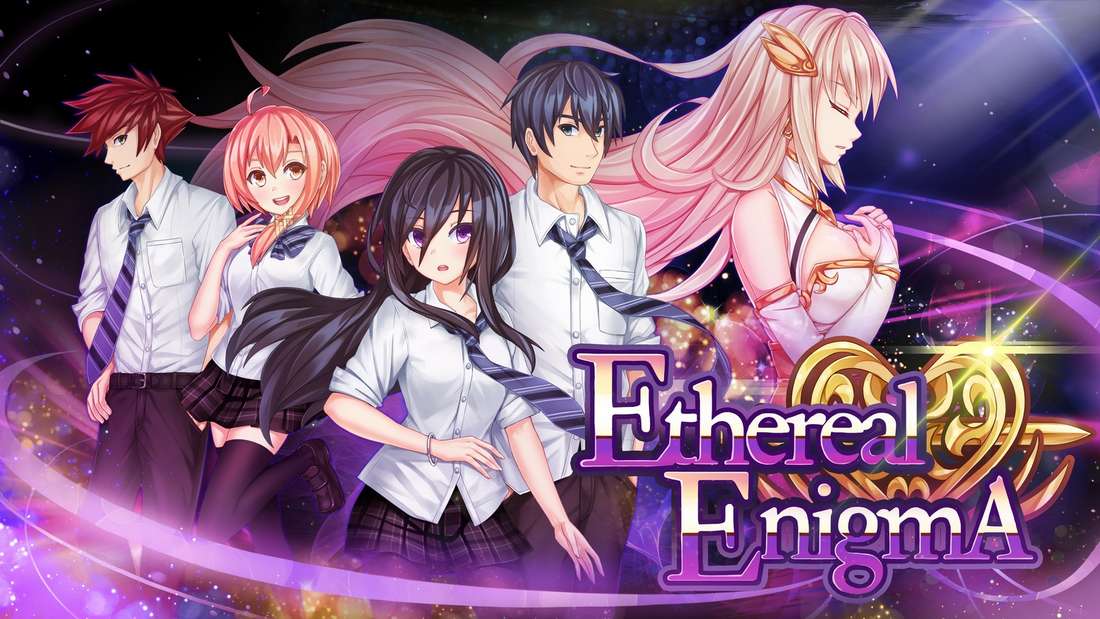 In the rapidly evolving landscape of interactive entertainment, the demand for profound and emotionally resonant experiences has never been higher. Gamers are no longer content with superficial interactions; they seek authentic connections and narratives that reflect the complexities of human relationships. While the gaming industry continues to innovate with advanced graphics and intricate mechanics, the bedrock of truly unforgettable romance lies, paradoxically, in the timeless art of character development. This principle, powerfully demonstrated in acclaimed works like ‘The Fragrant Flower Blooms With Dignity’ (a narrative celebrated for its nuanced portrayal of human connection), offers critical insights for game developers aiming to elevate their romance titles.
The assertion that good characters forge the backbone of compelling romance, whether in anime or video games, is a testament to universal storytelling truths. It’s about crafting individuals with believable motivations, internal conflicts, and the capacity for growth. As players invest dozens, even hundreds, of hours into virtual worlds, the depth of their relationships with non-player characters (NPCs) becomes a crucial determinant of overall enjoyment and emotional attachment. This article delves into how anime’s mastery of character writing can serve as a potent blueprint for designing captivating romance options and stories within the gaming sphere, pushing past generic archetypes towards truly memorable interactive sagas.
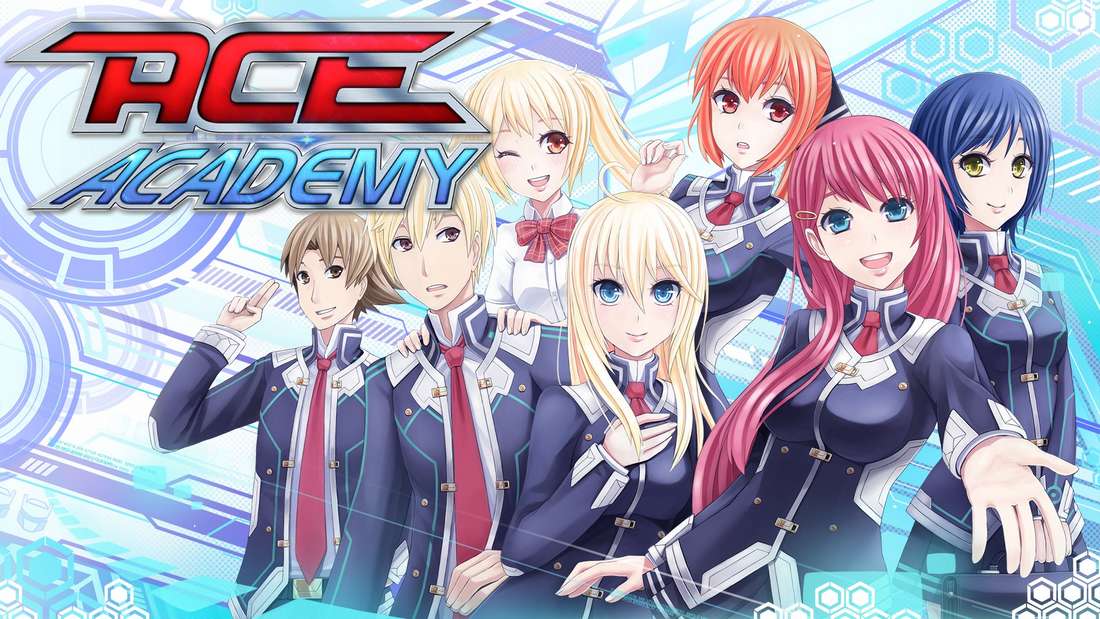 The Intricate Tapestry of Personality: Lessons from ‘The Fragrant Flower Blooms With Dignity’
‘The Fragrant Flower Blooms With Dignity,’ often lauded for its sophisticated character portrayal, exemplifies how intricate personalities drive narrative engagement and emotional resonance. The protagonists are not mere vehicles for plot progression; they are fully realized individuals with distinct backstories, personal flaws, unique worldviews, and compelling character arcs. Their interactions are layered with subtle cues, unspoken desires, and gradual revelations, fostering a sense of genuine discovery and evolving connection rather than immediate, unearned affection. This series masterfully illustrates that:
- Authenticity Over Archetypes: Characters feel real because they defy simple categorization. They possess contradictions, learn from their mistakes, and react to events in ways that are true to their established personalities, not just plot necessities. This builds immense player empathy and emotional investment.
- Subtlety in Progression: Romance isn’t a sudden event but a slow burn, built on shared experiences, mutual respect, and quiet understanding. This gradual development makes the eventual bond feel earned and profoundly impactful.
- Internal Conflict as Catalyst: The struggles and growth aren’t always external. Internal conflicts, moral dilemmas, and personal revelations significantly deepen character portrayal, making their relationships with others more complex and rewarding.
For game developers, these principles are gold. Moving beyond flat personas and predictable dialogue trees is essential for games seeking to offer a premium narrative experience. By infusing NPCs with genuine psychological depth, players can experience a level of emotional immersion previously reserved for linear media.
Translating Nuance to Interaction: Crafting Dynamic Game Romance
The challenge for game developers lies in translating the narrative depth of anime into an interactive medium where player choices hold sway. It requires a sophisticated approach to dialogue, branching narratives, and character AI that can respond dynamically to player input. Here’s how these lessons can be applied to game design:
- Deepened Dialogue Systems: Move beyond simple ‘good/bad’ responses. Dialogue options should reflect different emotional states, ethical stances, or degrees of understanding, influencing an NPC’s perception and relationship status in subtle, cumulative ways. The most successful storytelling often hides critical information within casual conversation, requiring players to truly listen and infer.
- Meaningful Choice and Consequence: Every major decision, not just those directly related to romance, should have visible ramifications on character relationships. Neglecting a companion during a critical quest, or prioritizing a different faction, should naturally affect how potential romantic interests view and interact with the player character. This strengthens immersion and replayability, offering diverse narrative paths.
- Evolving Character Arcs through Player Action: Instead of static romance options, characters should visibly grow and change based on player interactions. A shy NPC might become more confident, or a cynical one might soften, reflecting the player’s investment and influence. This creates a powerful feedback loop where player agency directly shapes character development. Games with sophisticated character progression systems, where traits and allegiances can shift, typically garner higher player engagement metrics.
- Non-Verbal Cues and Environmental Storytelling: Beyond dialogue, character animations, facial expressions, and even environmental details within their personal spaces can convey mood, history, and evolving feelings. A gift left by an NPC, a change in their usual routine, or a subtle glance can speak volumes, enriching the romantic narrative without explicit declarations.
Games that manage to weave these elements seamlessly create a romance experience that feels organic and deeply personal, differentiating themselves in a competitive market by offering unparalleled emotional depth.
Elevating Romance Game Design: Beyond Superficiality
Many romance games, particularly within the visual novel and RPG genres, often fall into predictable patterns: the ‘tsundere’ who eventually melts, the ‘childhood friend’ who pines, or the ‘stoic warrior’ with a hidden soft side. While these tropes have their place, relying solely on them leads to a shallow experience. To truly elevate the genre, developers must:
- Invest in Psychological Realism: Research human psychology, attachment theories, and real-world relationship dynamics to inform character writing. This doesn’t mean hyper-realistic simulation but rather grounding fantastical scenarios in believable emotional logic.
- Embrace Ambiguity and Imperfection: Not all romantic paths need to be straightforward. Characters with flaws, internal contradictions, or even conflicting desires can make the journey more challenging and, ultimately, more rewarding. Ambiguity can create fascinating narrative tension and encourage players to ponder motivations, boosting analytical engagement.
- Prioritize Narrative Integration: Romance should not feel like an optional side quest detached from the main plot. Instead, it should be intricately woven into the overarching narrative, with romantic partners playing meaningful roles in the player’s journey, influencing decisions, and contributing to the story’s resolution. This enhances the perception of a cohesive world and meaningful player choice.
By focusing on these areas, game creators can transcend the superficiality that sometimes plagues the genre, delivering experiences that resonate on a much deeper, more personal level. This strategic focus can significantly boost game review scores and player retention, contributing to a more sustainable business model for premium content.
The Business Imperative: Player Engagement and Lasting Success
From a commercial standpoint, the investment in superior character writing for romance games is not just an artistic endeavor; it’s a shrewd business decision. Games with deeply developed, relatable characters foster stronger player engagement and loyalty. When players genuinely care about an NPC, they are more likely to:
- Invest More Time: Pursuing every dialogue option, exploring every branching path, and replaying the game to experience different romantic outcomes. This directly impacts player retention and session length.
- Engage with Premium Content: Be more inclined to purchase DLCs, expansions, or cosmetic items related to their favorite characters, turning strong character appeal into tangible monetization opportunities.
- Generate Positive Word-of-Mouth: Enthusiastic players become powerful advocates, recommending the game to friends and contributing to positive community sentiment. This organic marketing is invaluable for new game releases and indie game success stories.
- Earn Critical Acclaim: Games recognized for their exceptional storytelling and character depth often garner prestigious awards and higher review scores, enhancing their market visibility and perceived value.
In an increasingly crowded market, games that prioritize authentic emotional connections through masterful character development will stand out. They offer a unique value proposition: not just a game, but a deeply personal journey of connection and discovery.
Conclusion: The Future is Character-Driven
The lessons from ‘The Fragrant Flower Blooms With Dignity’ and other character-rich narratives are clear: at the heart of every great romance, whether animated or interactive, lies an unwavering commitment to authentic, evolving characters. For the gaming industry, this means moving beyond established tropes and investing in the intricate art of personality. By crafting NPCs with believable motivations, profound internal lives, and the capacity for genuine growth, game developers can unlock new levels of emotional immersion and player satisfaction.
The future of romance games is not just about graphical fidelity or innovative mechanics; it is fundamentally about the depth of connection players can forge within their virtual worlds. By embracing the principles of compelling character development, inspired by the best of storytelling across all media, game studios can create truly unforgettable experiences that resonate long after the credits roll, securing their place at the forefront of the interactive narrative revolution.