
Dungeons & Dragons’ One D&D Playtest 6: Unpacking the Perceived Favoritism in 8 Core Subclasses










Popular Now
 Rust
Geometry Dash
Rust
Geometry Dash
 Minecraft
 Fall Guys
 CarX Street
 Grand Theft Auto V
 Gacha Club
 Brawl Stars
 BeamNG.drive
Garena Free Fire: Kalahari
BeamNG.drive
Garena Free Fire: Kalahari
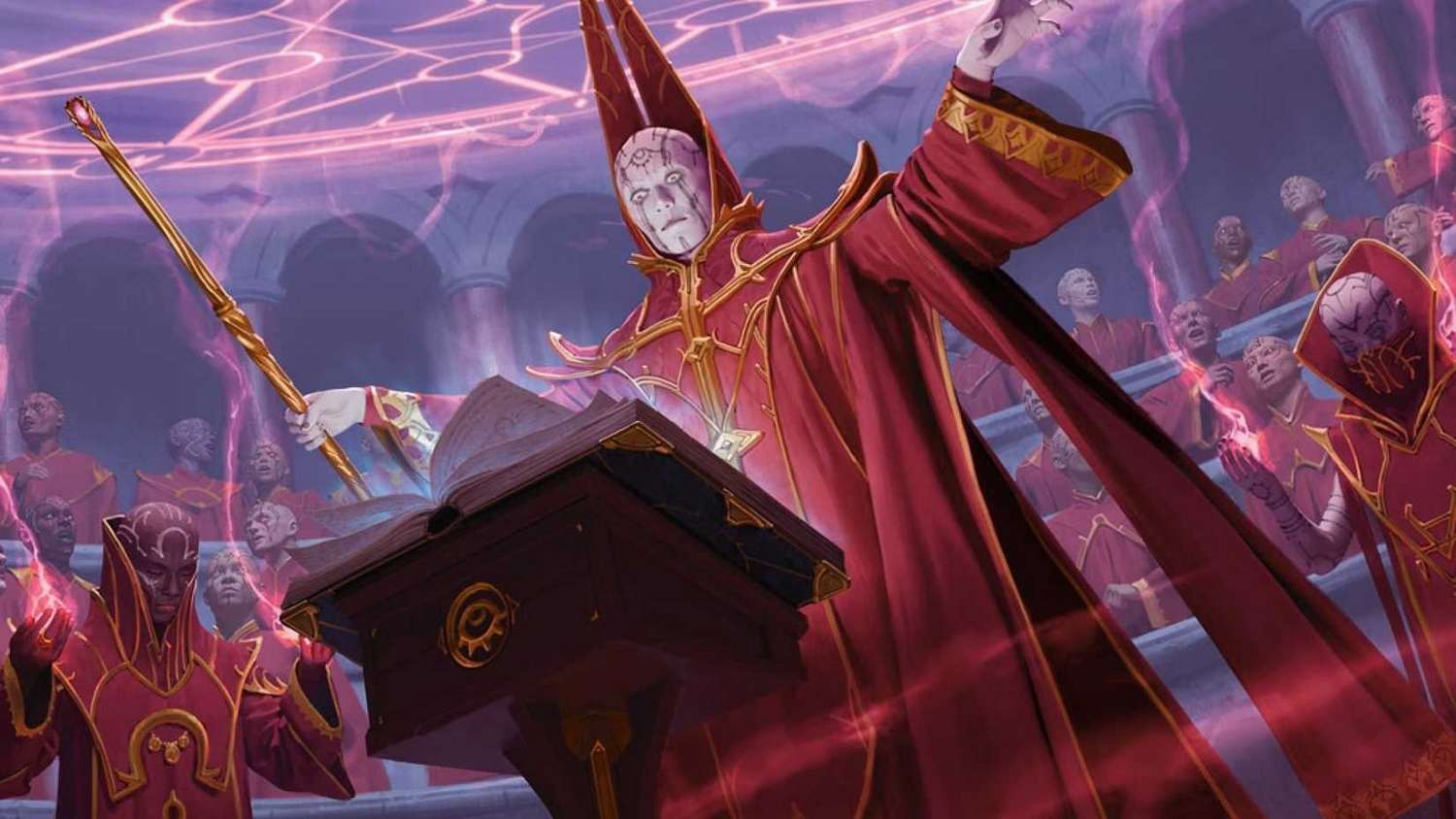 The evolving landscape of Dungeons & Dragons, particularly with the ongoing development of what is colloquially known as One D&D, has consistently sparked fervent discussion within the tabletop role-playing community. Wizards of the Coast’s iterative approach to updating the core rules through ‘Unearthed Arcana’ playtest documents is a testament to their commitment to refining the game for its next generation. However, the release of Player’s Handbook Playtest 6, which introduced eight foundational subclasses for critical review, has ignited a fresh wave of debate: is there a clear favoritism at play in how these archetypes are being updated and envisioned?
This particular playtest document focused on the quintessential subclasses—the ones often seen as the default or entry point for many players. These include the Bard’s College of Valor, Cleric’s Life Domain, Druid’s Circle of the Moon, Fighter’s Champion, Monk’s Way of the Open Hand, Paladin’s Oath of Devotion, Ranger’s Hunter, and Rogue’s Thief. While the intention is to modernize and streamline, the community’s response suggests that not all subclasses received the same level of innovative design or power consideration, leading to accusations of a biased development focus.
The Playtest 6 Roster: A Foundational Update
Before delving into the specifics of perceived favoritism, it’s crucial to acknowledge the subclasses under scrutiny. These eight represent core fantasy archetypes, foundational to the Dungeons & Dragons experience:
- Bard: College of Valor
- Cleric: Life Domain
- Druid: Circle of the Moon
- Fighter: Champion
- Monk: Way of the Open Hand
- Paladin: Oath of Devotion
- Ranger: Hunter
- Rogue: Thief
Each of these was presented with revisions aimed at aligning them with the broader One D&D design philosophy, which emphasizes clarity, versatility, and an improved player experience. Yet, the question remains: were these updates applied uniformly, or did certain classes emerge with a distinct advantage?
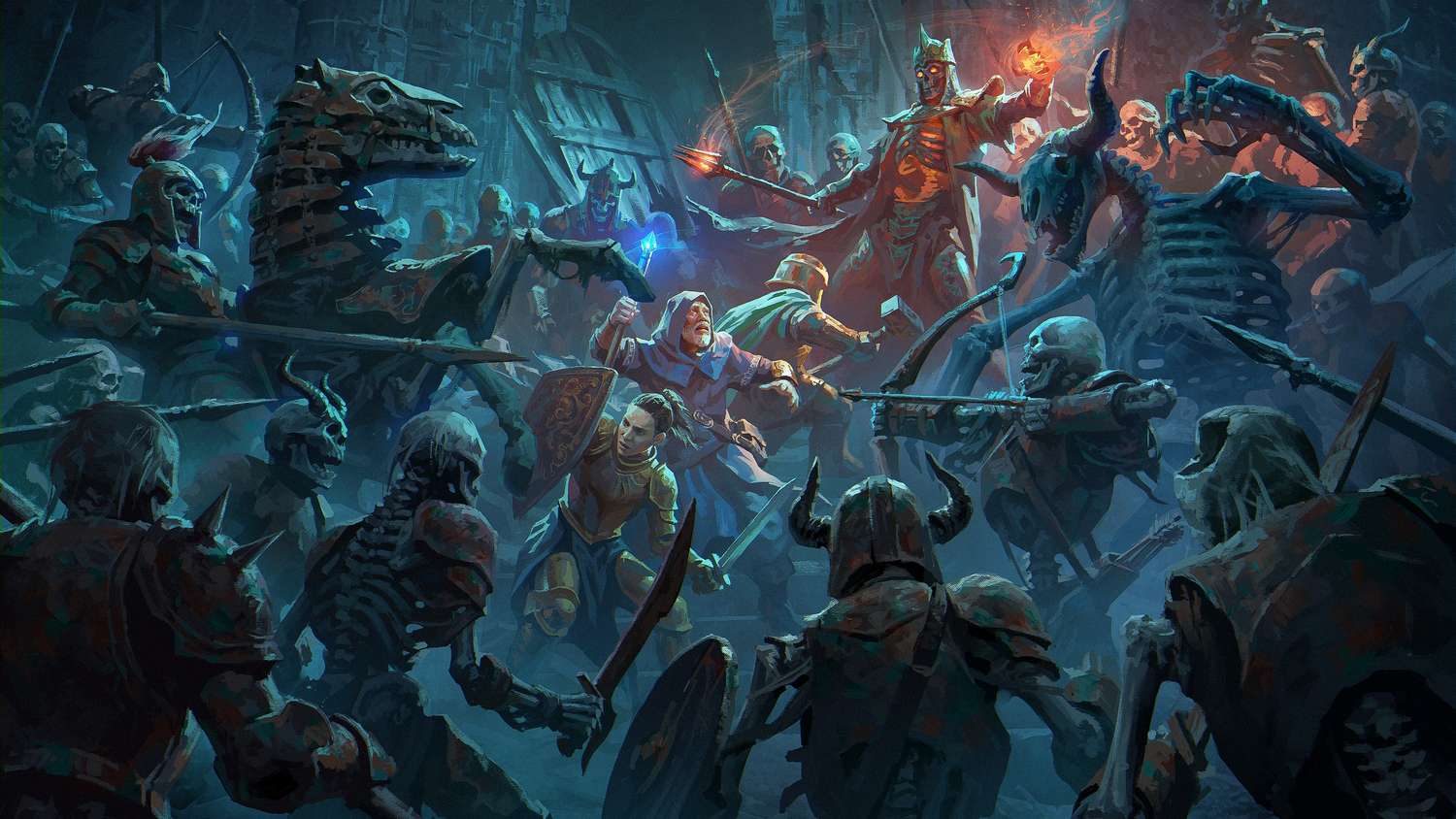 Unpacking the Updates: Where Favoritism Emerges
The heart of the ‘playing favorites’ argument lies in the perceived disparity of mechanical depth and power scaling granted to different subclasses. While some received impactful, engaging updates that broadened their utility, others felt like minor refinements or even missed opportunities for significant improvement.
The Champions and Their Combat Prowess
Take the Fighter’s Champion, for instance. Traditionally, the Champion has been the quintessential straightforward damage dealer, relying on critical hits and brute force. In Playtest 6, while some streamlining occurred, many players felt the Champion still lacked the tactical depth or unique features offered by other Fighter subclasses. Its updates were seen as incremental rather than transformative, especially when compared to the more intricate designs seen in other martial archetypes from prior or subsequent playtests. The perception is that the ‘easy to play’ nature might have led to less innovative design focus, leaving it feeling somewhat underpowered or uninspired for veteran players seeking robust character optimization.
Similarly, the Monk’s Way of the Open Hand, while receiving some quality-of-life adjustments, still grappled with core Monk issues regarding resource management (Ki points) and overall survivability. The updates didn’t fundamentally address some of the long-standing criticisms of the Monk class in D&D 5e, leading to a sense that this fundamental martial arts archetype wasn’t receiving the same level of developmental investment as spellcasting classes or more complex archetypes.
The Rogues and Rangers: Stealth and Survival Refinements
The Rogue’s Thief received some welcomed changes, particularly in its Fast Hands feature, making it more versatile and impactful in combat and exploration. This felt like a strong, positive step forward, enhancing the core fantasy of a quick-witted, agile operative. The updates here were largely seen as well-executed, providing meaningful improvements without overcomplicating the archetype. This is an example where the attention felt appropriate and well-placed.
The Ranger’s Hunter also saw revisions, attempting to solidify its role as a versatile combatant capable of tackling various foes. While effective, the updates largely built upon existing concepts rather than introducing groundbreaking new mechanics. Compared to the more transformative changes seen in some spellcasting classes, the Hunter’s evolution felt safe, leading some to question if the design team was bold enough with martial half-casters, perhaps prioritizing more straightforward designs for these archetypes.
Divine and Nature’s Guardians: Cleric and Paladin
The Cleric’s Life Domain received updates that reinforced its identity as a potent healer. Its features largely focused on improving restorative magic, making it an even more formidable source of hit points for the party. While highly effective in its niche, the updates didn’t significantly expand the subclass’s non-healing utility. This hyper-specialization, while true to its name, can be interpreted as a form of favoritism towards a specific playstyle, potentially limiting its broader appeal or tactical flexibility compared to subclasses with more diverse offerings.
The Paladin’s Oath of Devotion, as the embodiment of righteous zeal, saw updates that honed its defensive and offensive capabilities, emphasizing its role as a frontline protector and striker. The changes felt solid and consistent with the Paladin’s core identity. However, like the Champion, some argue that these updates were more about refinement than re-imagination, particularly when compared to the more expansive or unique features granted to other spellcasting or hybrid classes.
The Versatile Weavers: Bard and Druid
The Bard’s College of Valor, a martial-leaning Bard, received updates that sought to make its combat support more fluid. Bards, in general, often receive significant attention due to their unique blend of magic and martial capabilities. The Valor Bard’s updates, which integrated spellcasting and weapon use more seamlessly, were generally well-received. This subclass felt like it benefited from a holistic view of the Bard class, showcasing a strong understanding of its hybrid nature.
Perhaps one of the most contentious updates was for the Druid’s Circle of the Moon. The central feature, Wild Shape, received significant changes aimed at streamlining its mechanics and making it more accessible. While the intent was good, many players found the new Wild Shape rules to be less versatile or powerful than their D&D 5e counterparts, sparking significant feedback. The difficulty in balancing such a complex and iconic feature might explain the conservative approach, but the result left many Moon Druid enthusiasts feeling that their favored archetype was being diminished rather than enhanced. This might not be ‘favoritism’ in the sense of power, but rather a disproportionate impact due to complex mechanics.
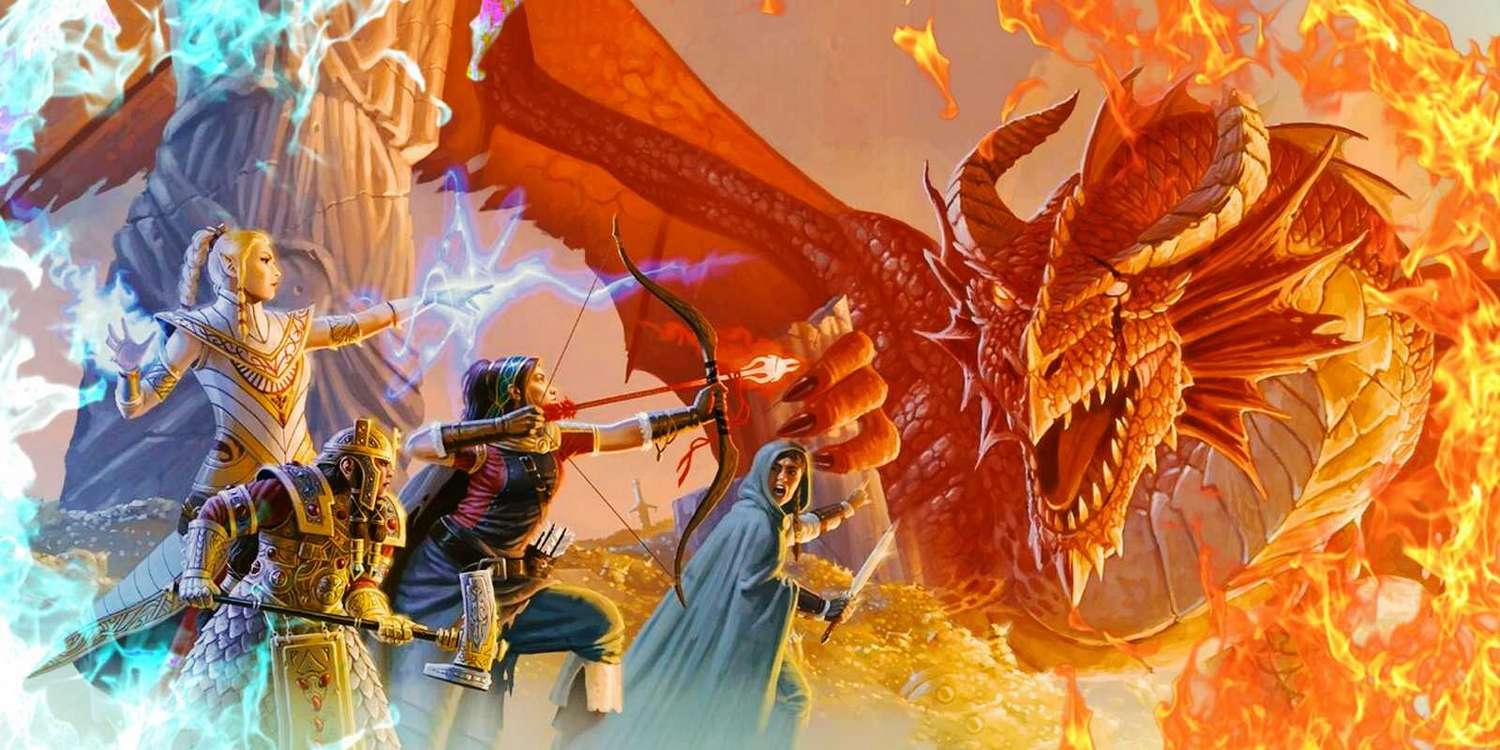 The Core of the Debate: Defining Favoritism
The term ‘favoritism’ in this context doesn’t necessarily imply malicious intent from the developers. Instead, it speaks to a perceived imbalance in design focus, complexity, or power ceiling. It often manifests in several ways:
- Innovation Disparity: Some subclasses receive genuinely new, exciting mechanics, while others get mostly numerical tweaks or simplified versions of existing features.
- Addressing Core Issues: Some updates tackle long-standing issues with a class or subclass head-on, while others seem to sidestep fundamental problems.
- Power Ceiling: Certain subclasses, post-update, seem poised to achieve higher levels of power or versatility compared to their peers, making character optimization for other archetypes feel less rewarding.
- Playstyle Focus: An overemphasis on supporting specific playstyles (e.g., pure damage vs. utility, spellcasting vs. martial) can make other legitimate playstyles feel less valued or underdeveloped.
For Dungeons & Dragons, a game built on player choice and diverse character builds, any hint of favoritism can significantly impact player satisfaction. When a `new D&D class` or `D&D subclass` update feels significantly more robust or thoughtfully designed than another, it inadvertently steers `player choice` and influences the perceived `game balance` across the board.
Impact on Player Experience and Game Balance
The implications of this perceived favoritism extend beyond mere forum discussions. It directly affects the `player experience` in several ways:
- Reduced Choice: If certain subclasses consistently outperform or offer more engaging mechanics, players might feel pressured to choose those, narrowing the effective range of viable `D&D character builds`.
- Frustration for Core Players: Enthusiasts of seemingly neglected archetypes can feel disappointed, leading to `community feedback` that is often critical.
- Balancing Act: Developers face an even greater challenge in balancing future `Unearthed Arcana` releases if a foundational imbalance is perceived early on. Ensuring `D&D balance issues` are addressed proactively is vital for the health of the game.
The ongoing `D&D playtest` process is precisely for identifying these disparities and gathering `player feedback`. However, the persistence of these discussions, even across multiple playtest documents, highlights the deep-seated concerns within the `TTRPG news` and `fantasy gaming` communities about the direction of One D&D.
Looking Ahead: The Future of One D&D Subclasses
Wizards of the Coast has a monumental task in distilling decades of `Dungeons and Dragons` history into a cohesive, updated ruleset. The playtest for these 8 foundational subclasses from Playtest 6 was a critical juncture, providing a litmus test for core archetypes. While some updates, like the Rogue’s Thief, were largely successful in their execution, others sparked significant debate about design intent and impact. The challenge for `Wizards of the Coast updates` is to address these perceptions of favoritism by demonstrating a commitment to enhancing every player’s experience, regardless of their preferred archetype.
Ultimately, the success of One D&D will hinge on its ability to offer a diverse and balanced array of options that truly empower players. The ongoing dialogue around these `new D&D subclasses` serves as a vital signal to the developers, emphasizing the need for robust, equitable design that ensures every character, from the simplest Champion Fighter to the most complex Moon Druid, feels equally valued and dynamically engaging in the ever-evolving world of `D&D 5e` and beyond.