
Netflix Elevates Gaming Library with ‘Lego Party’ Launch: A Deep Dive into Premium Mobile Entertainment







Popular Now
 Free Fire Max
 The Legend of Zelda
 Garena Free Fire: Kalahari
 Poppy Playtime
Geometry Dash
FIFA 23
Poppy Playtime
Geometry Dash
FIFA 23
 Warframe
 R.E.P.O
 EA SPORT FC 25
 BeamNG.drive
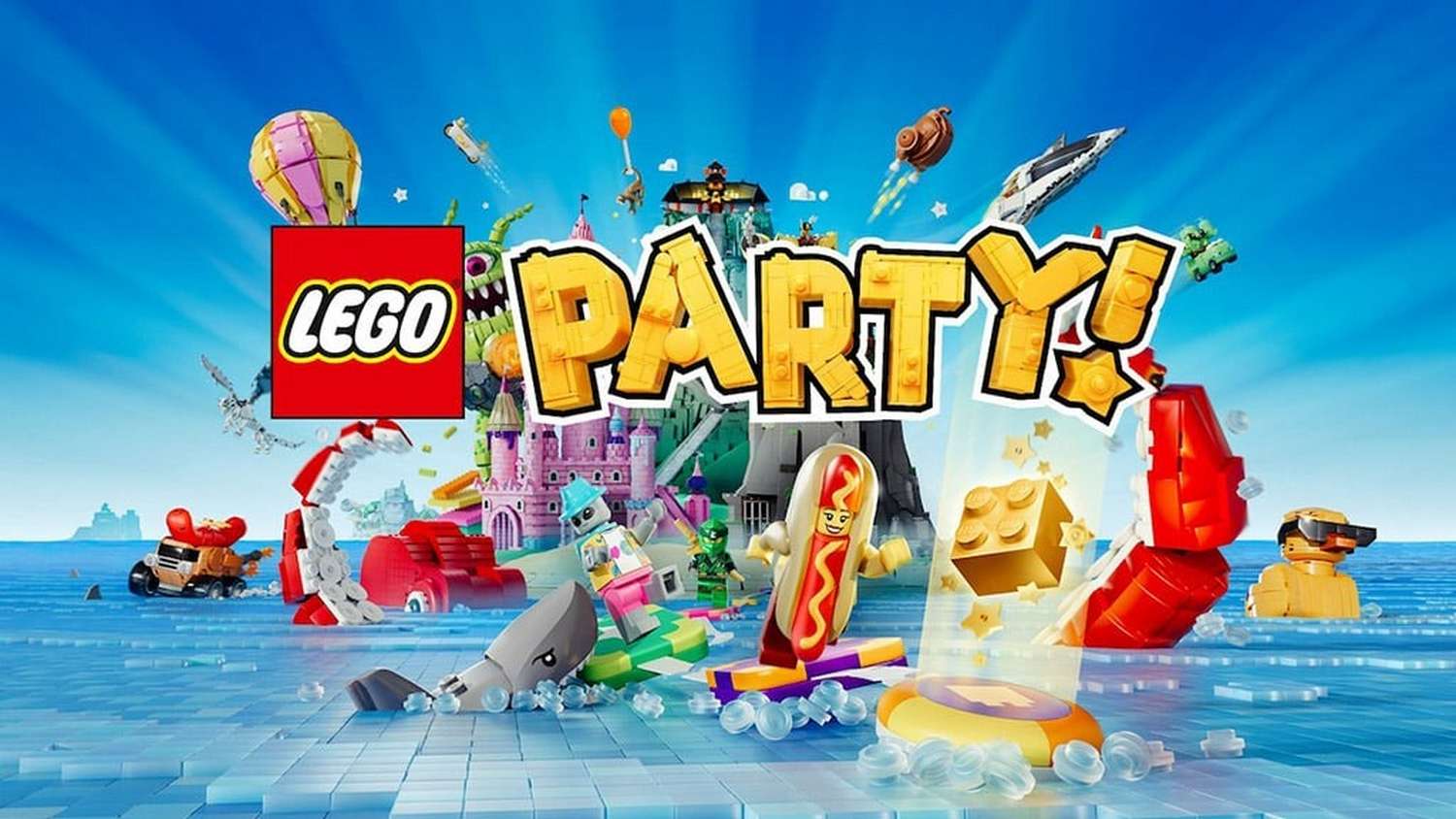 Netflix’s Strategic Move into Premium Mobile Gaming Accelerates with ‘Lego Party’ Announcement
Netflix, the global streaming behemoth, continues its ambitious foray into the interactive entertainment landscape with the official announcement that Lego Party will soon be joining its ever-expanding Netflix Games lineup. This highly anticipated addition signifies Netflix’s unwavering commitment to offering a robust collection of premium mobile gaming experiences directly to its subscribers, completely free of ads and in-app purchases. The move underscores a strategic pivot within the competitive digital entertainment sector, aiming to enhance the platform’s value proposition and cement its position as a comprehensive media powerhouse. The integration of beloved brands like LEGO into its gaming portfolio is a clear indicator of Netflix’s intent to captivate a broad audience, from casual gamers to dedicated LEGO enthusiasts, and ultimately boost player engagement across its ecosystem.
As the streaming giant diversifies its content offerings, the arrival of Lego Party is poised to be a significant draw. It represents more than just another game; it embodies Netflix’s vision for a curated, high-quality gaming experience that complements its acclaimed film and television catalog. This strategic expansion is particularly relevant in the current market, where consumers are increasingly seeking integrated digital solutions that offer superior value and convenience. The premium mobile games market is a fiercely contested arena, and Netflix’s approach of bundling top-tier titles within an existing subscription model sets a compelling precedent for the industry.
Unpacking the Potential of ‘Lego Party’ on Netflix
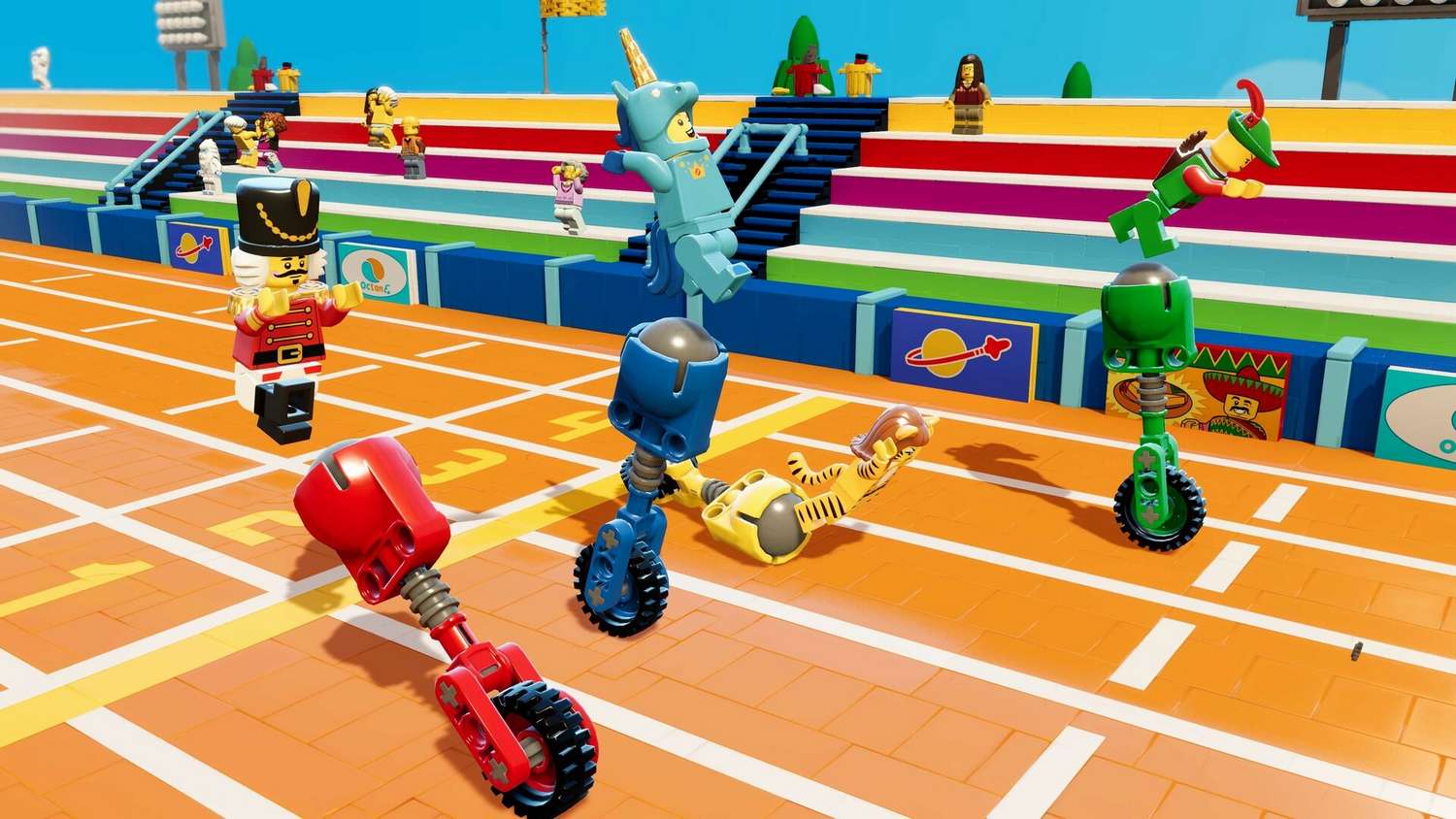
While specific gameplay details for Lego Party remain largely under wraps, the mere title evokes a sense of playful creativity and multiplayer fun synonymous with the iconic LEGO brand. Historically, LEGO-themed video games have excelled in combining imaginative building mechanics with engaging narratives and accessible gameplay, appealing to a wide demographic. We can anticipate that Lego Party will likely lean into these strengths, potentially offering a vibrant collection of mini-games, collaborative challenges, and perhaps even customizable LEGO environments where players can unleash their creativity. The ‘party’ aspect strongly suggests a focus on social interaction, making it an ideal candidate for family entertainment and group play.
The integration into the Netflix Games platform means that players can expect a polished experience, free from the common frustrations of traditional free-to-play mobile titles. This commitment to a premium experience, devoid of predatory monetization tactics, is a cornerstone of Netflix’s gaming strategy. For families seeking wholesome, engaging content, Lego Party could quickly become a go-to option, offering hours of entertainment without hidden costs or irritating interruptions. The game’s potential to foster creativity, problem-solving, and social interaction aligns perfectly with the brand values of LEGO and the premium quality Netflix aims to deliver in its interactive experiences.
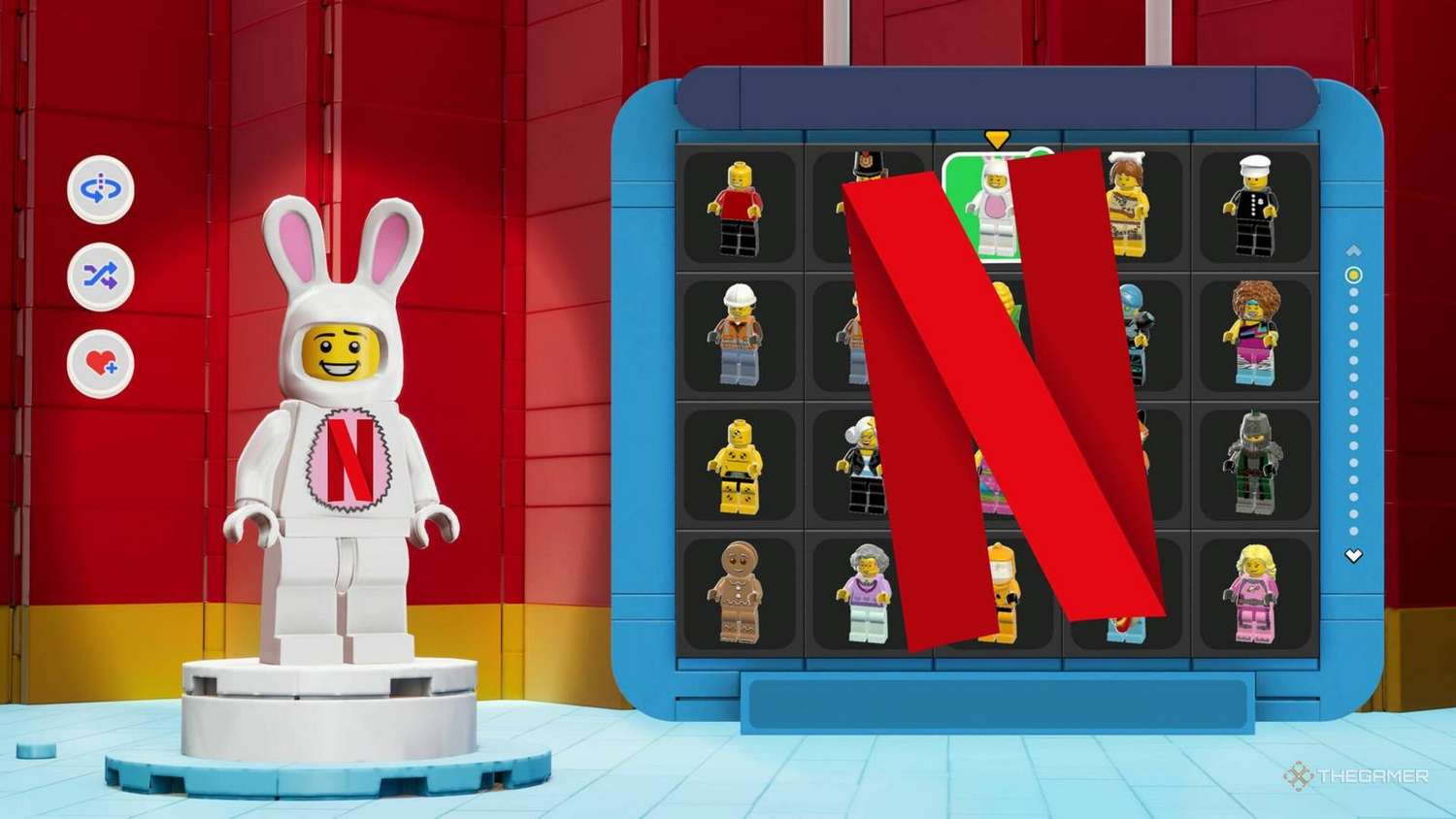
Netflix’s Ambitious Gaming Strategy: Redefining Subscriber Value
The addition of Lego Party is not an isolated event but rather a calculated step within Netflix’s broader gaming strategy. Since its initial foray into mobile gaming, Netflix has steadily built a diverse library of titles, ranging from indie darlings to acclaimed adaptations of its own original series. The goal is clear: to enhance subscriber retention and attract new users by offering an unparalleled value proposition that transcends traditional video streaming.
Netflix’s approach contrasts sharply with the prevailing mobile gaming model, which often relies on microtransactions and aggressive advertising. By offering games as an intrinsic part of the subscription, Netflix is positioning itself as a consumer-friendly alternative, focusing on player enjoyment over revenue generation per title. This strategy is particularly powerful in the high-CPC mobile gaming advertising space, where Netflix effectively removes itself from that costly competition by leveraging its existing subscriber base and brand loyalty.
Key elements of Netflix’s gaming strategy include:
- No Ads, No In-App Purchases: A frictionless gaming experience that prioritizes player satisfaction.
- Curated Selection: A focus on high-quality, diverse titles that cater to various tastes.
- Brand Partnerships: Collaborations with renowned developers and intellectual properties like LEGO to attract a broad audience.
- Seamless Integration: Easy access to games directly within the Netflix app, leveraging existing user habits.
- Global Reach: Instant availability to millions of subscribers across the globe, enhancing global gaming community engagement.
This long-term vision positions Netflix not just as a content streamer but as a comprehensive digital entertainment hub, capable of delivering immersive interactive experiences alongside its traditional media offerings. The move into gaming is a significant investment in securing future growth and maintaining a competitive edge in an evolving media landscape.
Impact on the Gaming Industry and Consumer Expectations
The announcement of Lego Party on Netflix Games sends ripples through the broader gaming industry. It further validates the subscription model as a viable and attractive alternative for game distribution, particularly for premium mobile titles. For developers, partnering with Netflix offers a unique opportunity to reach a massive global audience without the pressures of direct monetization, allowing them to focus solely on creating compelling gameplay experiences.
For consumers, this trend elevates expectations for mobile gaming. The demand for high-quality, ad-free experiences is growing, and Netflix is directly addressing this need. As more premium titles like Lego Party become available through subscription services, traditional free-to-play models may face increased pressure to innovate or risk losing player engagement to platforms offering better value and less intrusive experiences. This shift could lead to a healthier ecosystem for mobile game development, where creative freedom and player satisfaction take precedence.
Furthermore, the inclusion of a universally recognized brand like LEGO strengthens Netflix’s gaming portfolio significantly. LEGO games consistently rank among top-selling titles, and their family-friendly appeal makes them a perfect fit for Netflix’s diverse subscriber base. This partnership has the potential to introduce a new generation of players to premium gaming, enhancing overall player engagement within the Netflix ecosystem and expanding the reach of both brands.
Anticipation and the Road Ahead for Netflix Games
The excitement surrounding Lego Party joining Netflix Games is palpable. It represents a delightful fusion of a beloved toy brand with a cutting-edge digital entertainment platform. While a definitive release date is yet to be announced, the anticipation is already building for what promises to be a vibrant, engaging, and utterly brick-tastic addition to Netflix’s interactive offerings. Gamers and LEGO fans alike are eagerly awaiting the opportunity to dive into a new world of creative play, all accessible through their existing Netflix subscription.
As Netflix continues to invest heavily in its gaming division, integrating iconic franchises and developing original titles, it solidifies its strategy to transcend traditional streaming. The journey of Netflix Games is still in its early chapters, but with titles like Lego Party on the horizon, the future looks bright for the streaming giant’s venture into the interactive world. This continuous expansion of exclusive content and premium experiences is a testament to Netflix’s dedication to providing unparalleled value and entertainment to its global audience, ensuring its position at the forefront of digital entertainment innovation for years to come.