
Arachnid Anarchy’s Enduring Legacy: How Past Seasons Shape Marvel Snap’s Golden Gauntlet Meta










Popular Now
Garena Free Fire: Kalahari
 Warframe
 Toca Boca World
 BeamNG.drive
 Counter-Strike 2
 Geometry Dash
Poppy Playtime
Geometry Dash
Poppy Playtime
 Minecraft
 Gacha Club
 League of Legends
Unleashing the Web: Reflecting on Arachnid Anarchy’s Impact on 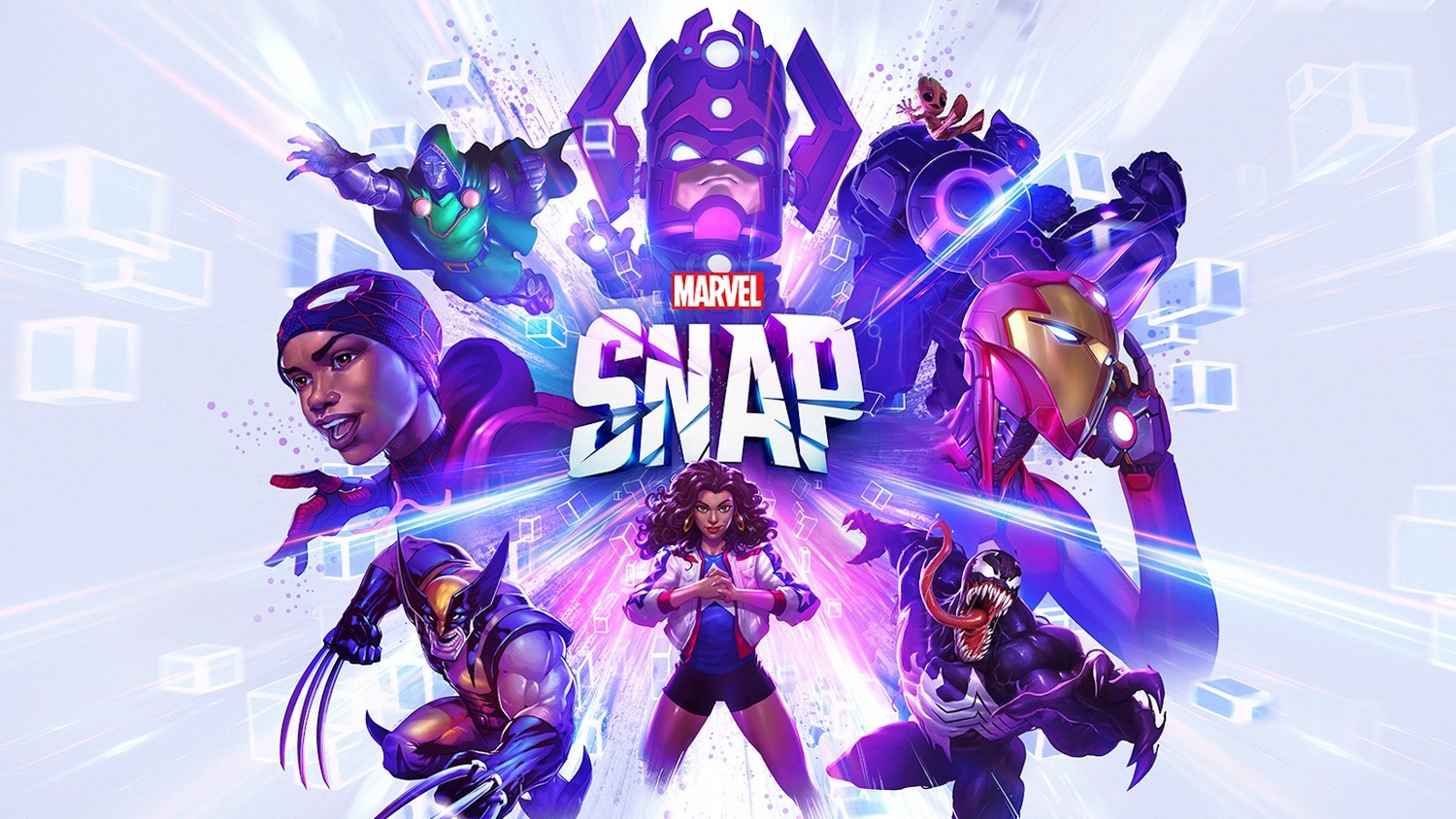 Competitive Landscape
As the anticipation for the inaugural Marvel Snap Golden Gauntlet World Championship reaches a fever pitch, players and enthusiasts alike are scrutinizing every facet of the game’s evolving meta. While the championship itself represents the pinnacle of competitive play, its foundations are deeply rooted in the continuous innovation delivered through past seasonal content. Among these pivotal updates, the ‘Arachnid Anarchy’ season, initially launched in April 2023, stands out as a significant period that injected dynamic new cards and strategies, whose ripple effects are still felt in today’s high-stakes competitive environment. Understanding the strategic depth introduced by seasons like Arachnid Anarchy is crucial for any aspiring champion aiming to navigate the complexities leading up to the Golden Gauntlet.
Arachnid Anarchy: A Deep Dive into Web-Slinging Mechanics and Meta Shifts
The ‘Arachnid Anarchy’ season delivered a potent dose of Spider-Verse characters, fundamentally altering existing archetypes and birthing new strategic considerations. At its core, the season pass introduced Ghost-Spider, a 1-cost, 2-power card with an On Reveal ability to move your last played card. This seemingly simple effect provided unprecedented flexibility to ‘Move’ archetypes, allowing players to manipulate board states, trigger multiple ‘on-move’ effects, or even reposition powerful cards out of danger zones. Ghost-Spider quickly became a staple, offering cheap enabler synergy that enhanced cards like Human Torch, Dagger, and Vulture, solidifying ‘Move’ as a consistently viable, albeit skill-intensive, strategy.
- Ghost-Spider: The season pass headliner, her ability to dictate movement provided critical utility for combo execution and board control. Her low cost and decent power make her an efficient inclusion in many move-centric builds, allowing for intricate turn sequencing.
- Spider-Man 2099: Introduced as a new card alongside the season, this 4-cost, 6-power card moved to a random location after you played a card there, destroying an enemy card at its destination. This potent disruptive ability brought a new layer of controlled chaos to the game, punishing opponents for playing into specific lanes or clearing key threats. While sometimes inconsistent due to its random nature, savvy players learned to mitigate this by playing it into less populated lanes or as a late-game surprise. Its power-to-cost ratio made it a formidable mid-game threat that could swing games.
- Silk: Another addition, Silk, a 2-cost, 5-power card, moves to a random location whenever a card is played at her location. This high-power, low-cost body offered immense tempo but demanded careful play, as her unpredictable movement could disrupt one’s own plans or unexpectedly fill lanes. Mastering Silk involves understanding lane priority and anticipating her movements to maximize her offensive potential while minimizing self-sabotage. She often found homes in reactive or tempo-oriented decks that could leverage her raw power despite her movement mechanic.
- Spider-Ham: This 2-cost, 2-power card with an On Reveal ability to transform the highest-cost card in your opponent’s hand into a 0-cost Pig delivered a unique form of hand disruption. Spider-Ham became an immediate meta-defining card, capable of neutering powerful endgame threats like Magneto, Galactus, or America Chavez (before her rework), forcing opponents to play around its existence. Its inclusion provided a powerful tool for teching against combo or high-roll strategies, acting as a crucial piece of counter-play in many competitive matchups.
The introduction of these cards sparked a wave of deck innovation. Players experimented with refined Move builds, disruptive control strategies, and even tempo-focused decks designed to leverage high-power, low-cost cards. The meta became more dynamic, demanding constant adaptation and a deeper understanding of card interactions. Many of these cards, particularly Ghost-Spider and Spider-Ham, remain relevant staples in various competitive decks, proving their enduring design value and impact on Marvel Snap’s strategic depth.
The Road to Glory: Preparing for the Golden Gauntlet World Championship
The Golden Gauntlet World Championship, set to culminate in September 2024 after rigorous qualifier events throughout the year, represents a monumental leap for Marvel Snap as an esport. This global tournament, boasting significant prize pools and prestige, is the ultimate test of skill, adaptation, and foresight. While ‘Arachnid Anarchy’ itself was a past season, the continuous stream of new cards, locations, and balance adjustments since then has created an incredibly rich and volatile meta that competitors must master.
Competitive players preparing for the Golden Gauntlet are not just mastering the *current* meta; they are anticipating the *next* meta. Every season introduces new variables, and the ability to rapidly integrate new cards, identify powerful synergies, and develop counter-strategies is paramount. The lessons learned from adapting to seasons like Arachnid Anarchy – understanding how new movement abilities (Ghost-Spider, Silk) can change tempo, or how hand disruption (Spider-Ham) can invalidate game plans – are invaluable training for the high-pressure environment of a World Championship.
Strategic Implications for High-Stakes Play and Meta Development
For contenders eyeing the Golden Gauntlet, the meta is not static. The ongoing release schedule ensures a fresh challenge with each passing month. This constant flux means that mastery is less about memorizing a tier list and more about developing an acute sense of how individual card abilities interact within the broader game ecosystem. Cards introduced in ‘Arachnid Anarchy’, for instance, continue to dictate certain strategic choices:
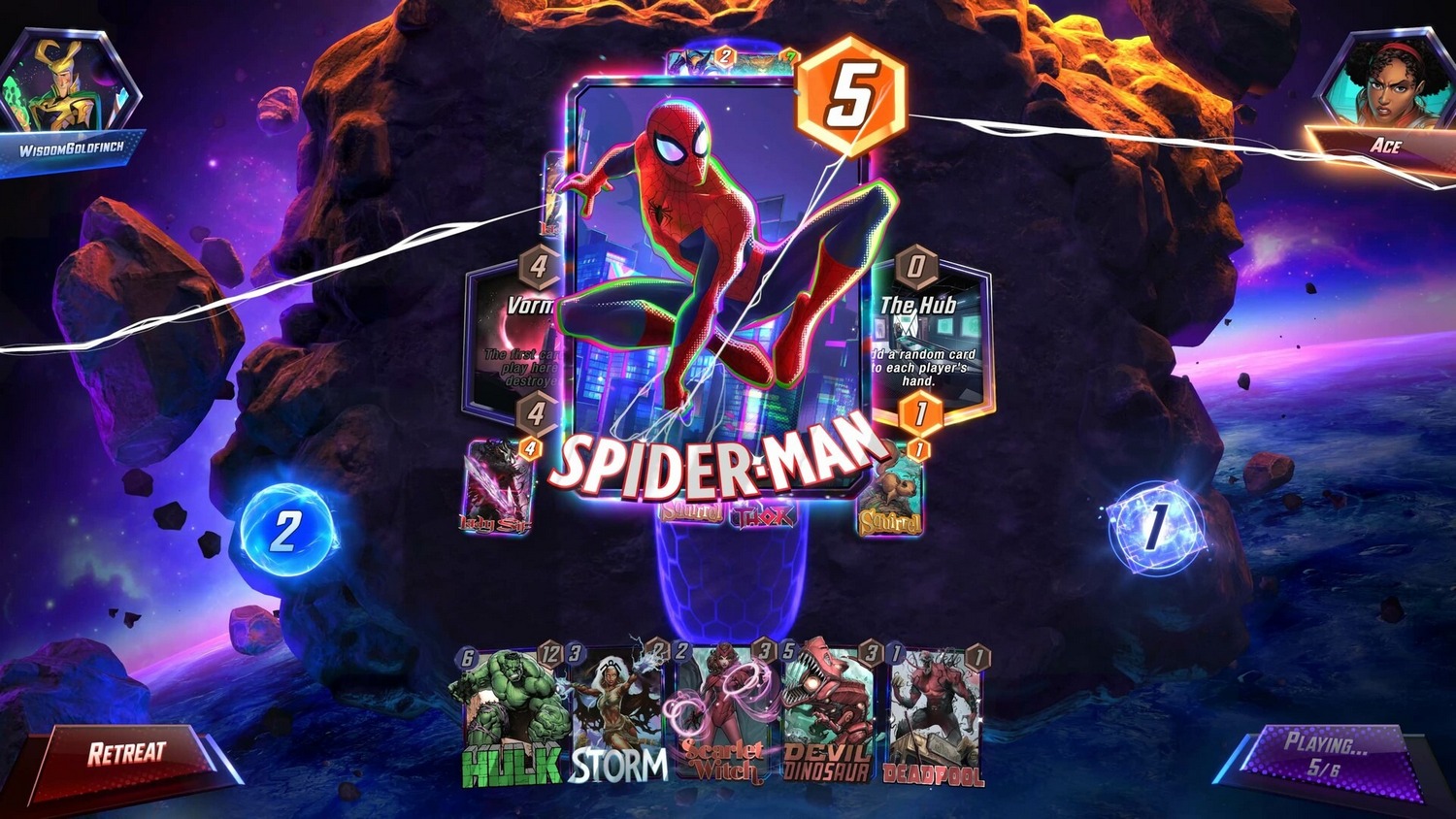
- Move Archetypes: The consistent support and powerful enablers from seasons past (like Ghost-Spider) ensure that Move decks remain a legitimate threat, demanding opponents carry sufficient tech to counter their explosive late-game potential.
- Disruption as a Core Strategy: Spider-Ham’s persistent presence reinforces the importance of hand disruption in a game often decided by a few key cards. Players must weigh the risk of high-cost finishers against the potential of having them nullified. This influences deck building by encouraging redundancy or alternative win conditions.
- Tempo and Lane Control: Silk, though challenging, highlights the value of high-power early-game plays and how careful lane management can leverage seemingly chaotic effects to gain an advantage. This pushes players to think critically about resource allocation and board state.
The competitive landscape of Marvel Snap thrives on this dynamic interplay. The game’s success in retaining player interest and attracting high-level competitive gaming investments is a testament to its compelling design, which balances accessibility with profound strategic depth. As the Golden Gauntlet draws closer, the collective knowledge gained from adapting to seasons like ‘Arachnid Anarchy’ and subsequent updates will be the crucible in which champions are forged.
The Economic and Community Ecosystem: Fueling the Esports Dream
Beyond the immediate gameplay, the impact of seasonal releases and major competitive events extends to Marvel Snap’s broader economic and community ecosystem. Each season pass, offering new cards, variants, and currency, represents a significant monetization strategy that fuels ongoing development and supports the burgeoning esports scene. High-CPC keywords such as ‘mobile gaming revenue,’ ‘digital collectible card game market analysis,’ and ‘esports prize pool funding’ underscore the significant financial infrastructure underpinning events like the Golden Gauntlet.
The continuous introduction of exciting content, combined with high-profile tournaments, drives player engagement, viewership, and potential sponsorships, contributing to the healthy growth of Marvel Snap as a leading digital card game. The community’s vibrant discussion around meta shifts, deck optimization, and competitive strategies, often sparked by new seasonal cards or upcoming tournaments, fosters a lively environment crucial for any live-service game. This vibrant ecosystem directly contributes to the game’s long-term viability and its appeal to both casual and competitive players, making it a key player in the evolving digital card game industry.
Conclusion: A Legacy of Innovation Paving the Path to Glory
While the ‘Arachnid Anarchy’ season concluded long ago, its contributions to Marvel Snap’s card pool and strategic depth continue to resonate. The cards introduced during this period – Ghost-Spider, Spider-Man 2099, Silk, and Spider-Ham – have ingrained themselves into the game’s fabric, offering tools that still shape competitive deck building and meta considerations. As the global Marvel Snap community turns its gaze towards the Golden Gauntlet World Championship, it’s clear that the path to becoming a world champion is not merely about mastering the current set of cards, but understanding the cumulative impact of every significant update, every new mechanic, and every strategic evolution that has shaped this dynamic digital card game. The legacy of seasons like ‘Arachnid Anarchy’ serves as a compelling reminder that success in Marvel Snap’s ultimate proving ground demands adaptability, foresight, and a profound appreciation for the game’s ever-unfolding strategic tapestry.