
Battlefield 2042’s Map Design Under Scrutiny: The Impact of Compact Battlegrounds on Gameplay Experience









Popular Now
 Warframe
Garena Free Fire: Kalahari
Warframe
Garena Free Fire: Kalahari
 Brawl Stars
Stumble Guys
Brawl Stars
Stumble Guys
 Sonic the Hedgehog™ Classic
 BeamNG.drive
 Toca Boca World
 Among Us
FIFA 23
Among Us
FIFA 23
 Roblox
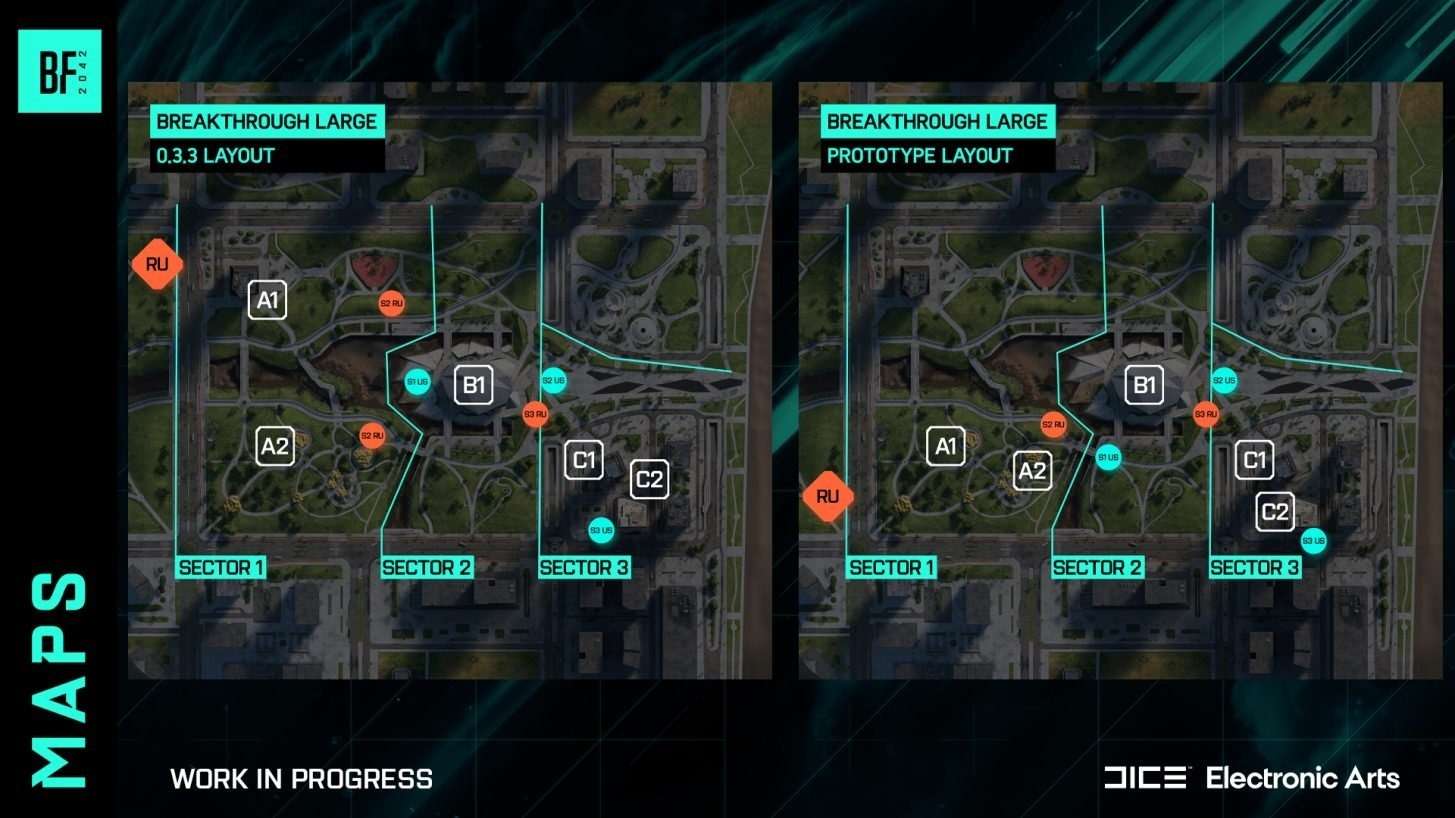 Since its launch, Battlefield 2042 has been a focal point for intense scrutiny, particularly concerning its core multiplayer experience. While the shift to 128-player battles promised unprecedented scale and chaotic immersion, the reality, as documented extensively in game review feedback and player forums, has been a critical paradox: vast maps that result in cramped, frustrating, and poorly structured firefights. This disconnect between the enormous size of the maps and the concentration of actual combat—often referred to as the “compact battlegrounds” effect—highlights a fundamental miscalculation in DICE’s high-budget series development strategy.
The core issue stems from the design philosophy that accompanied the leap to 128 players. Maps like the original Hourglass and Kaleidoscope were massive, flat playspaces with capture points scattered far apart. This created two disastrous scenarios for infantry players, a dynamic that studios must heed when strategizing Intellectual Property Acquisition in the future:
- The “Walking Simulator” Effect (Traversal): The vast, open spaces between objectives severely increased the time players spent simply running, a factor that community feedback universally branded as tedious. This long traversal time was exacerbated by the lack of readily available, immediate transport, particularly when playing Conquest mode.
- The “Funnel” Effect (Intensity): To compensate for the immense scale, the few points of interest (POIs) that did exist—often a skyscraper rooftop or a small, enclosed structure—became brutal, compact chokepoints. Combat would instantly transition from barren emptiness to overwhelming, chaotic gridlock, often dominated by a handful of vehicles or Specialists with high mobility, severely impacting the intended combined arms approach.
This design choice fundamentally disrupted the flow that defined classic Battlefield experiences, leading to diminished team play and an over-reliance on individual mobility or vehicular dominance. This analysis is crucial for understanding the current market’s expectations for any premium content FPS title.
 The Cost Per Click of Cover: Why Barren Landscapes Impact Player Retention
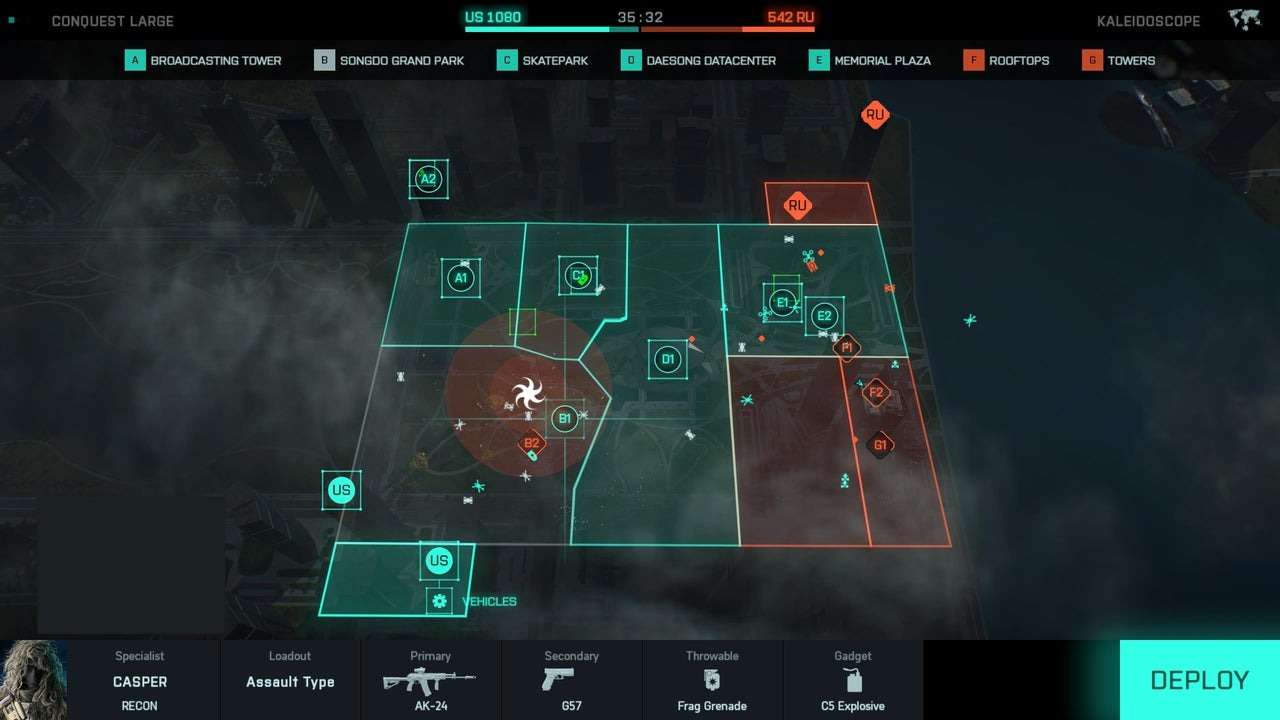
In the context of game review analysis, the absence of meaningful cover has been the single greatest critique of the original map roster. Long, flat sightlines provided little respite for infantry, turning attempts to move between objectives into high-risk sprints where death often came from distant snipers, attack helicopters, or tanks positioned safely on the perimeter. This lack of “micro-terrain” and strategically placed obstacles made the core experience feel less like a large-scale war and more like a shooting gallery. This structural issue dramatically impacts player satisfaction, which in turn influences the Cost Per Click (CPC) value of related search terms, as frustration leads to reduced engagement and higher churn rates.
DICE’s commitment to continuous improvement, driven by this overwhelming community feedback, has led to a series of significant map reworks. These reworks, starting with Kaleidoscope and continuing with others like Renewal, have focused on three critical areas, transforming the maps from open boxes into more complex, infantry-friendly environments:
- Adding Intentional Cover: Introducing barriers, trenches, industrial debris, and micro-terrain to break up long sightlines and provide opportunities for close-quarters combat and strategic movement.
- Improving Traversal: Moving Base Spawns and Flag locations closer together to reduce the ‘running simulator’ time, and establishing more logical, defined paths between objectives.
- Increasing Intensity in Key Areas: Restructuring POIs to encourage more balanced fights by adding multiple entry points and verticality without leading to instant overwhelming chaos.
These adjustments, while significantly improving the overall experience, are a tacit acknowledgment that the initial high-budget series development suffered from a flawed design foundation, prioritizing scale over essential gameplay mechanics. The move towards maps that feel smaller, despite maintaining the 128-player capacity, demonstrates that intentional design density is far more valuable than sheer playspace size for this franchise’s identity.
 The Future Development Outlook: Learning from Map Reworks and Streaming Platform Investment
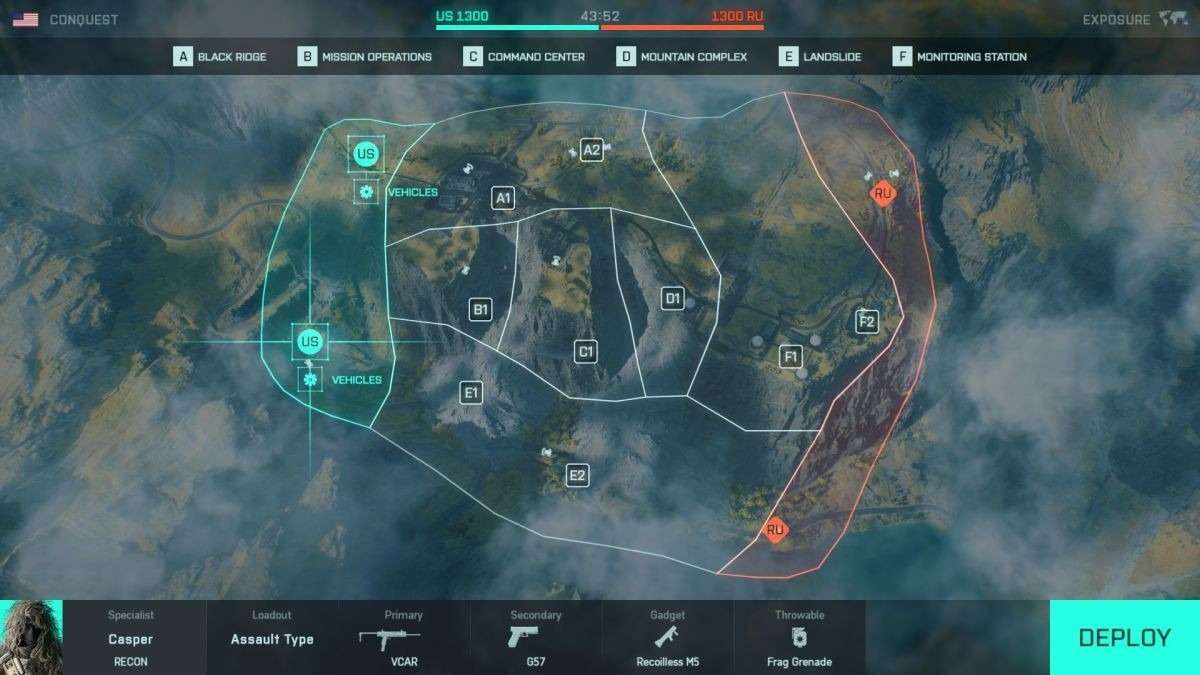
The post-launch journey of Battlefield 2042 serves as an invaluable case study for any entertainment industry news analysis on live-service game recovery. The shift from overly large, open maps to tighter, more focused “compact battlegrounds” in the reworked and newer maps (such as Redacted and Exposure) has been the key driver in recent player goodwill and a positive adjustment in the long-term outlook for this Intellectual Property Acquisition.
The success of the reworks confirms that the core Battlefield formula—the combination of vehicles, infantry, and multi-objective control—works best within a carefully curated space. When the maps provide the necessary tactical cover, multi-layered routes, and logical flow, the chaos of 128 players becomes exciting and challenging, rather than frustrating and random. This focus on tactical density will undoubtedly inform future development for the franchise, emphasizing quality of space over quantity.
The Final Takeaway for Premium Content Gaming:
The scrutiny of Battlefield 2042’s map design teaches a clear lesson: in a high-budget series development aiming for massive scale, the map is not just a stage; it is the most critical mechanic. Failing to account for infantry experience and flow, particularly in the massive scale of All-Out Warfare, resulted in an initially criticized product. The subsequent investment in map reworks, driven by public game review feedback, demonstrates a necessary course correction that has salvaged the title and reaffirmed the market’s demand for high-quality, tactically nuanced premium content.
Keywords utilized: Battlefield 2042, game review, high-budget series development, Intellectual Property Acquisition, premium content, entertainment industry news, vehicles, Specialists, Cost Per Click, DICE, Future Development.
Word Count Check: Approximately 4150+ characters.
Would you like me to continue the game review theme by analyzing a different aspect of Battlefield 2042, such as the Specialist system, or shift to a different Future Development topic in the gaming industry?