
Resident Evil x BABYMETAL: Analyzing Capcom’s Bold Crossover and Its Impact on Survival Horror Gaming










Popular Now
 Free Fire
 Gacha Club
 Garena Free Fire: Kalahari
Candy Crush Saga
Garena Free Fire: Kalahari
Candy Crush Saga
 Counter-Strike 2
 Brawl Stars
 Grand Theft Auto V
Roblox
Grand Theft Auto V
Roblox
 Fall Guys
Poppy Playtime
Fall Guys
Poppy Playtime
 Resident Evil x BABYMETAL: Analyzing Capcom’s Bold Crossover and Its Impact on Survival Horror Gaming
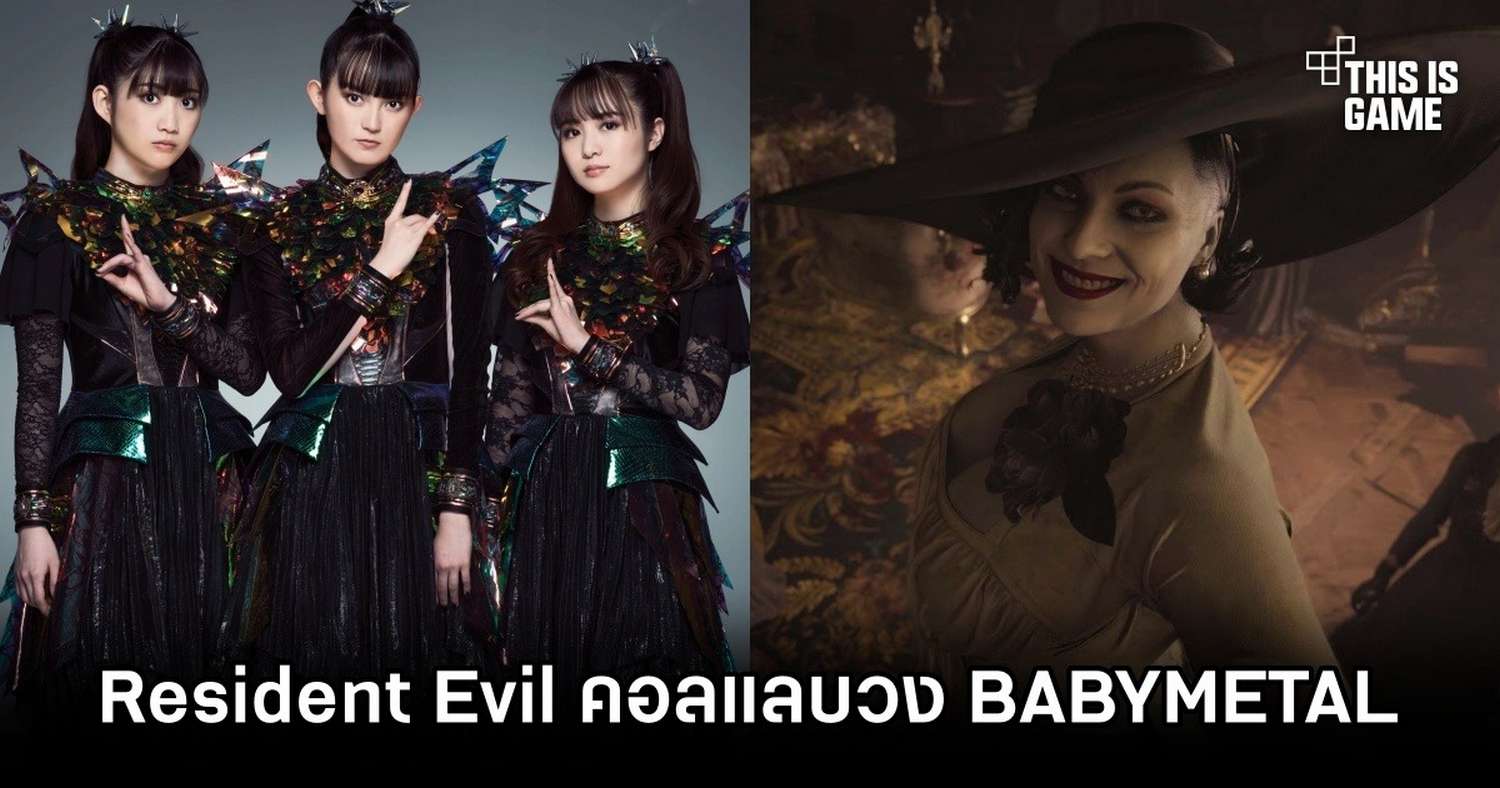
In a groundbreaking announcement that has sent ripples through the entertainment industry, Capcom, the esteemed developer behind the iconic Resident Evil franchise, has confirmed an unprecedented collaboration with the globally renowned heavy metal idol group, BABYMETAL. This unexpected partnership fuses the dark, visceral world of survival horror with the energetic, genre-defying sound of J-rock metal, sparking fervent discussion among fans and industry analysts alike. As we dissect this strategic maneuver, the critical question arises: how will this unique convergence reshape the player experience and the future trajectory of one of gaming’s most celebrated horror sagas?
The gaming industry continually seeks novel ways to engage audiences and maintain relevance in a crowded market. Cross-promotional events and partnerships have become a cornerstone of modern marketing strategies, but a collaboration of this magnitude, bridging such distinct cultural phenomena, is particularly noteworthy. For Resident Evil fans, a series celebrated for its intense atmosphere, intricate lore, and chilling sound design, the introduction of a high-energy musical act like BABYMETAL presents both exciting possibilities and potential stylistic challenges. This move by Capcom signifies a bold willingness to experiment, pushing the boundaries of what a horror game collaboration can entail.
The Unlikely Alliance: Deciphering the Strategic Intent
At first glance, the pairing of Resident Evil’s grim, zombie-infested landscapes with BABYMETAL’s vibrant ‘kawaii metal’ aesthetic appears almost incongruous. However, a deeper examination reveals a calculated effort to tap into diverse demographics and inject fresh vitality into both brands. BABYMETAL, known for their powerful vocals, compelling choreography, and fusion of heavy metal instrumentation with J-pop sensibilities, commands a significant and passionate global following. Their recent successes, including sold-out arena tours and chart-topping albums, underscore their immense cultural footprint. Capcom’s decision to align with such a potent force suggests an ambition to broaden the appeal of the Resident Evil gaming experience beyond its traditional horror core.
From a marketing perspective, this collaboration could be a goldmine. It generates significant buzz, attracting attention from both the gaming press and music media. This crossover potential is a high-value asset, offering exposure to new audiences who might be introduced to the Resident Evil universe through BABYMETAL, and vice-versa. The financial implications for digital content, merchandise, and potential in-game events are substantial, promising increased player engagement and revenue streams. This is not merely a promotional stunt; it represents a strategic investment in diversifying the franchise’s brand identity and future-proofing its appeal.
Potential In-Game Integration: Elevating the Player Experience
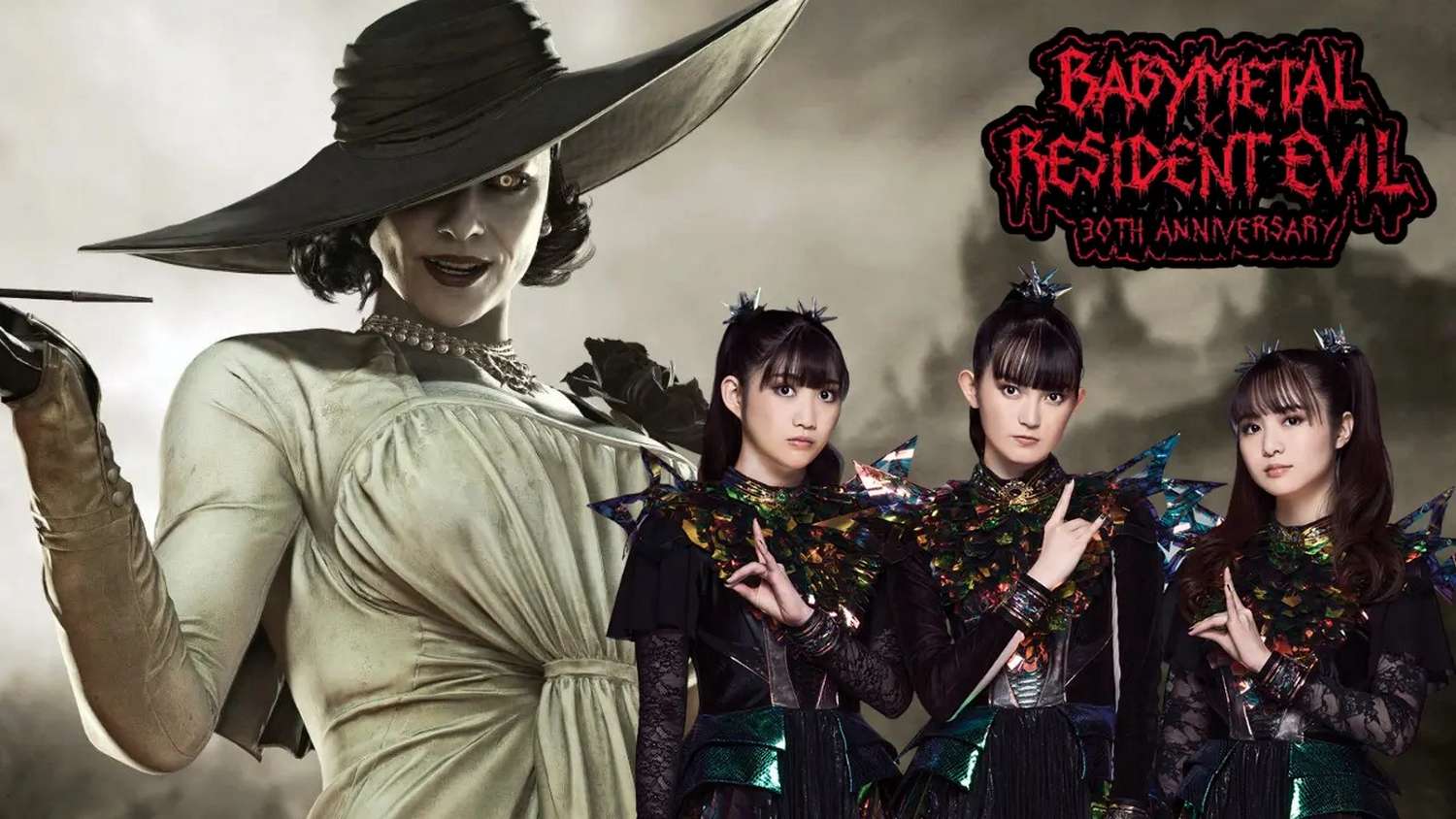
The most intriguing aspect for players and reviewers is how this collaboration will manifest within the Resident Evil games themselves. While specifics are yet to be fully detailed, several exciting avenues for in-game integration emerge:
- Exclusive Character Outfits and Customization: Imagine iconic Resident Evil characters like Leon S. Kennedy or Jill Valentine donning BABYMETAL-inspired attire, blending gothic aesthetics with the group’s signature style. This could provide unique cosmetic options, offering players new ways to personalize their experience without compromising the core horror elements.
- Themed Missions or Side Quests: Special in-game events or missions could be developed, featuring narrative elements or environmental cues inspired by BABYMETAL’s themes or music videos. This could add fresh gameplay loops, providing additional replayability and lore expansion.
- Dynamic Soundtrack Elements: While maintaining the series’ signature suspenseful soundscapes, moments of intense action or boss encounters could dynamically integrate instrumental or vocal tracks from BABYMETAL. Carefully implemented, this could elevate the adrenaline and intensity, offering a unique sonic signature to combat sequences.
- Collectible Items and Lore Additions: In-game collectibles such as art books, sound logs, or character profiles could feature details about the collaboration, providing deeper lore connections and rewarding exploration.
- Virtual Concerts or Event Hubs: For future online-enabled Resident Evil titles or spin-offs, a virtual hub hosting exclusive BABYMETAL performances or fan interactions could be a revolutionary feature, bridging the gap between gaming and live entertainment.
Each of these integration points requires careful consideration to ensure they enhance, rather than detract from, the established atmosphere of terror and survival. The review of such content will focus heavily on how seamlessly these elements are woven into the existing fabric of the game.
Sound Design and Atmosphere: A Critical Review of Sonic Blending
The auditory landscape is paramount to the survival horror genre. Resident Evil games are masters of ambient sound, jump scares, and unsettling musical scores that heighten tension. Introducing the high-octane energy of BABYMETAL’s music into this delicate balance is a bold proposition. Critics will scrutinize how their tracks are utilized. Will they punctuate moments of triumphant combat, offering a cathartic release after intense encounters? Or will their inclusion feel jarring, disrupting the meticulously crafted dread that defines the series?
The key lies in nuanced integration. Perhaps instrumental versions of BABYMETAL tracks could underscore action sequences, building suspense without overpowering the atmospheric horror. Alternatively, specific vocal tracks could be reserved for post-game content or bonus modes, providing fan service without altering the core campaign’s horror integrity. A successful implementation would demonstrate how diverse musical styles can coexist and even complement, seemingly disparate genres, creating a novel auditory experience that expands the high-quality gaming perception.
Franchise Evolution and Future Prospects: A Critical Outlook
This collaboration is more than just a momentary event; it represents a potential paradigm shift in Capcom’s approach to the Resident Evil IP. It signals a willingness to embrace modern trends, leverage popular culture, and explore uncharted territories for franchise expansion. For a series that has reinvented itself multiple times – from fixed camera angles to over-the-shoulder action to first-person horror – this partnership could be another evolutionary step.
Reviewers will be keen to observe if this collaboration opens doors for similar genre-bending partnerships in the future. Will Capcom explore more musical artists, fashion brands, or other cultural icons for upcoming titles? The success of the Resident Evil x BABYMETAL initiative could set a precedent for how beloved gaming franchises navigate the increasingly interconnected world of entertainment. It could redefine what constitutes a premium gaming experience in an era of constant digital content evolution.
Ultimately, this strategic move reflects a deeper understanding of the modern player base, which often comprises individuals with diverse interests spanning music, film, and gaming. By bridging these worlds, Capcom aims to create a richer, more multifaceted experience, ensuring that Resident Evil remains not just a horror game, but a dynamic cultural phenomenon. The announcement itself is a testament to the ever-evolving nature of the gaming industry, where innovation in marketing and content delivery is just as crucial as gameplay refinement. The coming months will undoubtedly reveal the full scope of this exciting collaboration, and the gaming world watches with keen interest to see how this fusion of metal and monsters will redefine expectations for survival horror game reviews.